Xbox Series S vs. X: Which Console is Right for You?
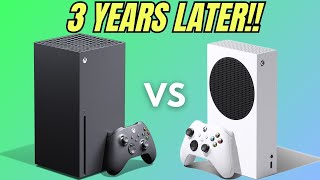
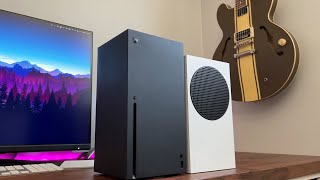
When deciding between the Xbox Series S and the Xbox Series X, the choice typically comes down to your budget, your television's capabilities, and how much you value physical media. While both consoles belong to the same generation and run the same games, they offer vastly different hardware experiences.
Technical Specifications and Performance
The primary difference between the two machines is raw power. The Xbox Series X is designed as the "powerhouse" of the family, targeting 4K resolution at up to 120 frames per second (fps). It features a more robust GPU and a larger amount of memory, allowing for higher-fidelity textures and more stable performance in demanding titles like Starfield.
In contrast, the Xbox Series S is a digital-only, compact alternative. It targets 1440p resolution, which is then upscaled to 4K on larger screens. While it can still hit 120 fps in supported titles, it does so at a lower internal resolution. For gamers who do not own a high-end 4K OLED TV, the difference in visual clarity may be less noticeable, but the Series X undeniably provides a sharper, more detailed image.
Physical Media vs. Digital Convenience
One of the most significant dividing lines is the disc drive. The Xbox Series X includes a Blu-ray disc drive, which offers several advantages:
- Physical Backups: The ability to buy, sell, and trade physical game discs.
- Backward Compatibility: The option to play older Xbox discs from previous generations.
- Movie Playback: The ability to watch 4K Blu-ray movies.
The Xbox Series S is a fully digital console. It has no disc drive, meaning every game must be downloaded from the Xbox Store. This makes the console smaller and more portable, but it ties the user exclusively to the digital ecosystem. If you have a large library of physical discs, the Series X is the only viable option.
Storage and Expandability
Storage is another critical point of comparison. Modern games are massive, often requiring over 100GB of space. The Xbox Series X typically comes with a 1TB NVMe SSD, providing ample room for a variety of titles.
The base Xbox Series S usually starts with a 512GB SSD, which can fill up quickly after installing just a few AAA games. While both consoles support expansion via proprietary Seagate or Western Digital expansion cards, the Series X provides a more comfortable starting point for the average gamer.
Pricing and Value Proposition
The Xbox Series S is positioned as the most affordable entry point into current-gen gaming. It is an ideal choice for:
- Budget-conscious gamers who want access to the latest titles.
- Xbox Game Pass subscribers who prefer a digital library over physical copies.
- Casual players who use a 1080p or 1440p monitor.
The Xbox Series X is a premium investment. It is the better choice for:
- Enthusiasts with 4K televisions who want the highest possible graphical fidelity.
- Collectors who prefer owning physical copies of their games.
- Power users who want the fastest load times and most stable frame rates.
Final Verdict: Which Should You Choose?
Choosing between the Xbox Series S and X depends on your environment. If you have a high-end display and want the definitive version of every game, the Xbox Series X is the clear winner. Its ability to handle 4K native output and its inclusion of a disc drive make it a complete entertainment hub.
However, if you are looking for a streamlined, budget-friendly way to play the latest