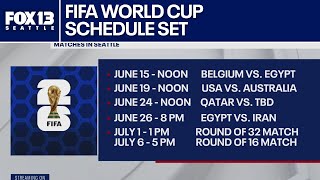
World Cup 2026 Schedule and Where to Watch
The 2026 FIFA World Cup is set to be the largest and most ambitious tournament in football history. For the first time, the competition will expand to 48 teams, requiring a massive logistical effort across three host nations: Canada, Mexico, and the United States. As fans prepare for the summer of 2026, understanding the match schedule and venue distribution is key to planning the ultimate sporting pilgrimage.
The Expanded Tournament Format
The transition from 32 to 48 teams significantly alters the structure of the tournament. To accommodate the additional nations, FIFA has implemented a revised group stage format. This expansion ensures more representation from Africa, Asia, and North America, promising a more diverse array of playing styles and unexpected upsets.
FIFA announced the full match framework to ensure that the increased volume of games does not lead to player burnout. While the group stages will be spread across the continent, the knockout rounds will be concentrated in key hubs to minimize travel for the remaining teams.
World Cup 2026 Host Cities and Venues
The tournament will be hosted across 16 cities, each offering a unique atmosphere and world-class facilities. The distribution of matches is designed to showcase the cultural diversity of North America.
United States Venues
The U.S. will host the majority of the matches, utilizing some of the most iconic stadiums in American sports. Highlights include:
- MetLife Stadium (New York/New Jersey): Slated to host the grand finale.
- AT&T Stadium (Dallas): A central hub for numerous group and knockout matches.
- Lumen Field (Seattle): Fans now know which teams will take the pitch at Lumen Field next summer as Seattle hosts several marquee matchups, bringing the world's best to the Pacific Northwest.
- SoFi Stadium (Los Angeles): One of the most technologically advanced venues in the world.
Mexico and Canada Venues
Mexico continues its legacy as a World Cup staple, with matches taking place in the historic Estadio Azteca in Mexico City, as well as Guadalajara and Monterrey. Canada will bring the excitement to the north, with matches scheduled for Toronto and Vancouver, utilizing the top-tier infrastructure available in these metropolitan hubs.
Understanding the Schedule
While the broad framework is in place, FIFA will unveil the updated match pairings and specific time slots as the qualifying rounds conclude. The schedule is designed to be "cluster-based," meaning teams in the same group will play their matches in the same region to reduce travel fatigue.
Fans are encouraged to check out the newly released venue guides to determine which cities will host specific group stages. To see the full itinerary, supporters should monitor official FIFA portals, as ticket sales and match dates are released in phases.
Where to Watch the World Cup 2026
Given the scale of the event, broadcasting rights are expected to be split across multiple platforms to ensure global accessibility. In the United States, streaming services and traditional sports networks are likely to share the coverage.
Viewing Options
- Linear Television: Major sports networks will provide live broadcasts of the marquee matches and the final.
- Digital Streaming: FIFA+ and partner streaming platforms will likely offer every single match live, providing a comprehensive viewing experience for those without cable.
- Public Viewing Zones: Host cities are planning "Fan Festivals" where supporters can watch games on giant screens in a communal atmosphere.
Preparing for the Journey
Planning for the 2026 World Cup requires early coordination. Because the tournament spans three countries, fans should consider the following:
- Visa Requirements: Ensure passports are up to date and check entry requirements for Canada, Mexico, and the U.S.
- Local Transport: Each host city