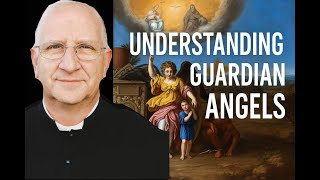
Who Is a Guardian Angel? Understanding the Divine Protector
For centuries, people across different cultures and faiths have asked, "Who is a guardian angel?" While the concept appears in various spiritual traditions, the most common definition describes a guardian angel as a celestial being assigned by God to protect, guide, and support a specific individual or group throughout their earthly life.
Whether viewed through a strictly theological lens or a more general spiritual perspective, the idea of a guardian angel provides comfort to millions, offering the sense that no one is ever truly alone in their struggles.
The Theological Origin of Guardian Angels
To understand who a guardian angel is, it is helpful to explore the broader question: Are angels real, and why did God make them? In many religious texts, angels are described as pure spirits—beings of intellect and will without physical bodies. They were created to serve as messengers between the divine realm and the human world.
Within Christian tradition, the belief in guardian angels is deeply rooted. Theologians suggest that God created these beings to ensure that humans have constant access to divine guidance. Because humans exist in a physical world fraught with challenges and temptations, guardian angels act as intermediaries, offering protection and prompting the soul toward righteousness.
The Role and Responsibilities of a Guardian Angel
If you are wondering, "Who is my guardian angel?" it is important to understand what their primary functions are. While experiences vary, spiritual teachers and clergy often highlight several key roles:
- Protection: The most well-known role is safeguarding individuals from physical or spiritual harm. This is often described as a "narrow escape" or a sudden feeling of being steered away from danger.
- Guidance: Guardian angels are believed to provide subtle nudges or "whispers" to the intuition, helping people make decisions that align with their higher purpose.
- Intercession: In many traditions, guardian angels carry human prayers up to the Divine, acting as advocates for the person they protect.
- Comfort: During times of grief or loneliness, many report a feeling of peace or a warm presence, which they attribute to the support of their angel.
How to Recognize Your Guardian Angel
Many people seek to discover the truth about how they can connect with their celestial protectors. While angels are typically invisible, practitioners of spiritual communication suggest that they manifest in subtle ways.
Common Signs of Angelic Presence
- Intuitive Hits: A sudden, strong feeling to take a different route home or call a loved one, which later proves to be the right decision.
- Repeating Numbers: Some believe that seeing repeating sequences (such as 111 or 444) is a way for angels to signal their presence.
- Unexpected Peace: A sudden wave of calm during a high-stress situation.
- Feathers and Light: Finding a white feather in an unusual place or seeing flashes of shimmering light.
Different Perspectives on Angelic Beings
The interpretation of guardian angels varies depending on the source of the teaching. For instance, a formal retreat or a Day of Recollection led by clergy may emphasize the biblical mandate and the duty of the angel to lead the soul to salvation.
Conversely, modern angel communicators often focus on the relationship between the human and the angel as a partnership. They suggest that while angels are always present, they respect human free will and may only intervene or provide loud guidance when specifically asked for help through prayer or intention.
Conclusion: The Impact of Believing in Guardian Angels
Regardless of whether one views guardian angels as literal entities or symbolic representations of divine grace, the belief plays a significant role in mental and spiritual well-being. Believing that a benevolent force is watching over you can reduce anxiety, increase hope, and foster a sense of accountability in one's actions.
Ultimately, a guardian angel is seen as a bridge between the