The Life and Legacy of Diego Maradona
Diego Maradona, widely regarded as one of the greatest footballers in history, left an indelible mark on the sport. His passing sent the entire footballing community into a state of shock and mourning. As fans continue to navigate the devastation of a world without the man who defined an era of football, questions regarding his final days remain at the forefront of public discourse. Understanding the circumstances surrounding his death requires looking at his medical history and the official findings reported following his passing in November 2020.
What Was the Cause of Death for Diego Maradona?
Diego Maradona passed away on November 25, 2020, at the age of 60. The official cause of death was determined to be acute pulmonary edema secondary to exacerbated chronic heart failure. Essentially, his heart failed, leading to a buildup of fluid in his lungs, which prevented him from breathing.
Following his death, an autopsy revealed that Maradona suffered from dilated cardiomyopathy, a condition where the heart's chambers enlarge and weaken, significantly reducing its ability to pump blood throughout the body. This condition is often the result of long-term cardiovascular stress. The sudden nature of his passing highlighted the beautiful tragedy of a life lived at full speed, both on and off the pitch.
Medical Context and Preceding Events
To understand the medical context, it is important to note that Maradona had undergone successful brain surgery earlier in November 2020 to treat a subdural hematoma, a blood clot on the brain. He was discharged from the hospital shortly after the procedure to continue his recovery at home in a private residence in Tigre, Argentina.
The medical team overseeing his care had been tasked with managing his complex health profile. Following his death, authorities launched an investigation into the quality of his medical care. This inquiry sought to determine whether there were any instances of negligence or failure to provide appropriate monitoring during his post-operative recovery. The investigation focused on several healthcare professionals involved in his treatment, highlighting the high stakes surrounding the care of such a global icon.
A Life of Athletic Brilliance and Personal Struggles
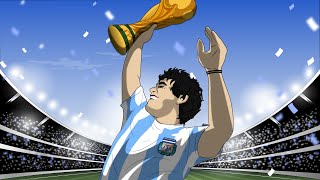
The story of how every greatest footballer is remembered often balances their athletic genius against their personal battles. Maradona’s career was marked by extraordinary highs, such as leading Argentina to victory in the 1986 World Cup. However, his life was also characterized by significant health challenges and public struggles.
In 1994, the football world witnessed a controversial turning point during the World Cup when Maradona was sent home after failing a drug test. This event became a defining chapter in his complex narrative. Throughout his later years, he struggled with various health issues, including battles with addiction and weight-related complications, which placed significant strain on his physical well-being. These factors are frequently cited by medical experts as contributing elements that may have influenced his long-term cardiovascular health.
The Legacy of a Football Icon
The passing of Diego Maradona was more than just the loss of a player; it was the loss of a cultural phenomenon. His influence extended far beyond the football pitch, impacting millions of people across the globe, particularly in Argentina and Italy, where he played for Napoli. The outpouring of grief demonstrated that while his physical life was marked by vulnerability, his spirit remained a symbol of hope and defiance.
Key Takeaways Regarding His Passing
- Official Cause: Acute pulmonary edema linked to chronic heart failure.
- Underlying Condition: Dilated cardiomyopathy, which weakened his heart over time.
- Post-Surgery Context: He had recently undergone brain surgery for a subdural hematoma.
- Ongoing Scrutiny: The circumstances of his medical treatment in his final days became the subject of a major legal investigation in Argentina.
As the world continues to reflect on his career, the focus remains on his immense talent and the joy he brought to the game. While the cause of his death was rooted in the physical toll taken on his heart, the legacy of El Pibe de Oro