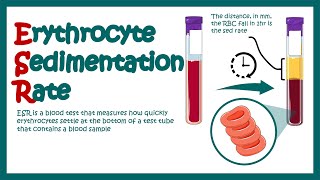
What Should ESR Be? Understanding Your Erythrocyte Sedimentation Rate
If you have recently received blood test results, you may have noticed a value labeled ESR. Standing for Erythrocyte Sedimentation Rate, this test is a common tool used by healthcare providers to detect inflammation in the body. However, understanding what your ESR should be requires an understanding of how the test works and the factors that influence the results.
What is an ESR Test?
The ESR test measures how quickly red blood cells (erythrocytes) sink to the bottom of a vertical tube over a specific period, usually one hour. In a healthy individual, red blood cells settle slowly. However, when inflammation is present in the body, certain proteins—such as fibrinogen—cause red blood cells to clump together. These clumps are heavier than individual cells, causing them to sediment faster, which results in a higher ESR reading.
What is a Normal ESR Range?
There is no single "perfect" number for an ESR because the normal range varies significantly based on age, gender, and overall health. Generally, ESR is measured in millimeters per hour (mm/hr).
While laboratory reference ranges may differ slightly, general guidelines often include:
- Men under 50: 0 to 15 mm/hr
- Men over 50: 0 to 20 mm/hr
- Women under 50: 0 to 20 mm/hr
- Women over 50: 0 to 30 mm/hr
Note: It is essential to compare your results against the specific reference range provided by the laboratory that performed the test, as different methods and equipment can alter the baseline.
Why Might You Need an ESR Blood Test?
Doctors typically order an ESR test when they suspect an inflammatory process but are not yet sure of the exact cause. Because it is a non-specific marker, it tells the doctor that inflammation is present, but it does not pinpoint where the inflammation is located or what is causing it.
Common reasons for an ESR test include:
- Monitoring Chronic Conditions: Tracking the progression of autoimmune diseases like rheumatoid arthritis or systemic lupus erythematosus (SLE).
- Diagnosing Vasculitis: Helping to identify conditions like Giant Cell Arteritis or Polymyalgia Rheumatica, which often present with very high ESR levels.
- Checking for Infection: Assessing the body's response to serious bacterial infections.
- Evaluating Treatment: Determining if a prescribed anti-inflammatory medication is effectively reducing systemic inflammation.
What Does a High ESR Mean?
A high ESR indicates that there is an increased level of inflammatory proteins in your blood. While this often points to a medical condition, it is not a diagnosis on its own. A high reading can be caused by a variety of factors:
1. Inflammatory and Autoimmune Diseases
Conditions such as rheumatoid arthritis, inflammatory bowel disease (IBD), and various forms of vasculitis typically cause a significant rise in ESR.
2. Infections
Acute bacterial infections often trigger a rapid increase in sedimentation rate as the immune system responds to the pathogen.
3. Other Physiological Factors
Not all high ESR readings are caused by disease. Some non-pathological factors can increase the rate, including:
- Pregnancy: Hormonal changes and blood volume shifts can raise ESR.
- Anemia: A lower number of red blood cells can cause them to settle faster.
- Kidney Disease: Changes in protein levels in the blood can affect sedimentation.
- Aging: ESR naturally tends to increase as a person gets older.
How is an ESR Blood Test Done?
The process is a straightforward blood draw. A healthcare