What Is a Dangerous Fever Level? Understanding When a Temperature Becomes a Health Threat
Fever is the body’s natural response to infection, inflammation, or other stressors. While a modest rise in temperature can help the immune system fight off pathogens, a fever that climbs too high may cause damage to vital organs and requires prompt medical attention. This article explains the temperature thresholds that are considered dangerous for adults and children, outlines warning signs, and offers practical steps for managing a high fever safely.
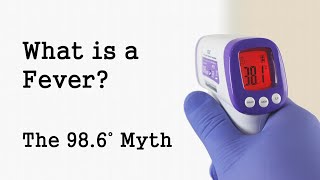
Normal Body Temperature: Debunking the 98.6°F Myth
For decades, the medical community taught that the “normal” body temperature is 98.6°F (37°C). Recent research shows that normal temperature varies by individual, time of day, and measurement method. Healthy adults typically range between 97°F (36.1°C) and 99°F (37.2°C). Understanding this variability helps you recognize when a fever truly exceeds normal limits.
Temperature Ranges and Their Clinical Significance
Fever classifications differ slightly between adults and children, but the following ranges are widely accepted:
- Low-grade fever: 100.4°F – 102.2°F (38°C – 39°C)
- Moderate fever: 102.2°F – 104°F (39°C – 40°C)
- High fever (potentially dangerous): 104°F – 105.8°F (40°C – 41°C)
- Very high fever (medical emergency): Above 105.8°F (41°C)
In children, especially infants under three months, the thresholds are lower because their bodies regulate temperature less efficiently. A temperature of 100.4°F (38°C) or higher in a newborn warrants immediate medical evaluation.
When a Fever Becomes Dangerous
Temperature alone does not tell the whole story. The danger of a fever depends on:
- Age of the patient – infants and the elderly are more vulnerable.
- Rate of temperature rise – a rapid increase can signal a severe infection.
- Accompanying symptoms – confusion, seizures, persistent vomiting, or a rash may indicate a serious underlying condition.
Key temperature thresholds that signal a medical emergency are:
- Adults: 105°F (40.6°C) or higher
- Children (2