What Is RTP in North Carolina?
When discussing business, technology, and relocation in the Southeastern United States, the acronym RTP appears frequently. RTP stands for Research Triangle Park, a world-renowned hub for high-tech innovation, biotechnology, and pharmaceutical research. Located in the heart of North Carolina, it serves as the economic engine for the region and a primary driver of the state's growth.
The Research Triangle Park is not a traditional city but rather a massive research and development park. It is strategically positioned between three major academic institutions: North Carolina State University in Raleigh, Duke University in Durham, and the University of North Carolina at Chapel Hill. This proximity creates a "triangle" of knowledge, allowing for a seamless flow of talent and research between academia and the private sector.
The History and Purpose of RTP
Established in 1959, RTP was designed to diversify North Carolina's economy, moving it away from a heavy reliance on agriculture, tobacco, and textiles. By attracting scientists, engineers, and entrepreneurs, the state sought to create a sustainable ecosystem for high-wage jobs and cutting-edge discovery.
Over the decades, the park has evolved into one of the largest research parks in the world. It hosts hundreds of companies, ranging from global giants in the pharmaceutical and tech industries to agile startups and venture-backed firms. This concentration of expertise makes RTP a global destination for those seeking careers in STEM (Science, Technology, Engineering, and Mathematics).
Key Industries Driving the Region
The economic impact of RTP is felt across several primary sectors:
- Life Sciences and Biotech: RTP is a global leader in drug discovery, genomics, and clinical research. Many of the world's largest pharmaceutical companies maintain significant operations here.
- Information Technology: From cloud computing to cybersecurity, the region attracts major tech firms and software developers.
- Clean Energy: There is a growing emphasis on sustainable technology and green energy solutions within the park.
- Healthcare: Due to the presence of world-class hospitals and universities, RTP is a center for medical innovation and patient care research.
Living and Working in the Research Triangle
For those considering a move to the area, it is important to understand that "living in RTP" usually means residing in the surrounding cities of Raleigh, Durham, or Chapel Hill. These cities provide the residential infrastructure, while the park provides the professional opportunities.
The Lifestyle Appeal
Moving to the Research Triangle offers a balance of urban amenities and natural beauty. Residents enjoy a lower cost of living compared to coastal hubs like San Francisco or Boston, while still having access to high-paying professional roles. The region is known for its diverse culinary scenes, vibrant arts communities, and extensive park systems.
The Reality of the Current Market
As we move into 2025, the dynamics of the region are shifting. The rapid influx of workers from other states has led to increased competition for housing and evolving traffic patterns. Prospective residents should be aware that while the job market remains strong, the cost of real estate in the "Triangle" has risen significantly over the last few years.
The Future of Research Triangle Park: The Hub
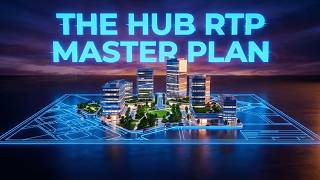
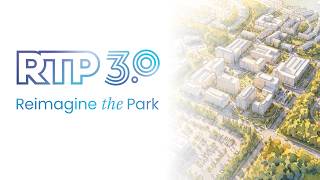
Research Triangle Park is currently entering its biggest transformation in 65 years. For much of its history, RTP was a collection of isolated office campuses separated by large parking lots and highways. However, the future of the park is shifting toward a more integrated, mixed-use model.
The goal is to transform the park into a more walkable, vibrant environment. This evolution includes:
- Mixed-Use Development: Integrating residential housing, retail, and dining directly into the professional spaces.
- Improved Connectivity: Enhancing public transit and pedestrian pathways to reduce reliance on cars.
- Incubator Spaces: Creating more accessible hubs for small startups to grow alongside established corporations.
By evolving into a more holistic "hub," RTP aims to