What Happens If Coolant Temp Is Too High?
Your vehicle's cooling system is designed to maintain a precise operating temperature, balancing the intense heat generated by internal combustion with the cooling properties of a liquid coolant mixture. When the coolant temperature becomes too high—a condition known as overheating—it can lead to immediate performance issues and catastrophic engine failure if not addressed promptly.
Immediate Effects of Engine Overheating
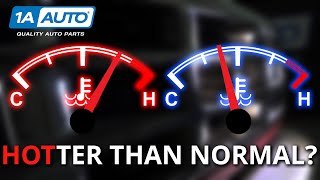
When coolant temperatures exceed the manufacturer's specified limits, the first sign is often a warning light on the dashboard or a needle climbing into the "red zone" of the temperature gauge. As the heat rises, several critical processes begin to fail:
- Loss of Lubrication: Engine oil is designed to operate within a specific temperature range. Excessive heat thins the oil, reducing its ability to lubricate moving parts, which increases friction and wear.
- Coolant Boil-Over: As the liquid reaches its boiling point, it turns into steam. This creates pressure within the cooling system, which can lead to coolant being forced out of the overflow tank or leaking from pressurized hoses.
- Reduced Engine Performance: To protect itself, some modern vehicles enter a "limp mode," reducing power output to minimize further heat generation.
Long-Term Damage Caused by High Coolant Temps
If you continue to drive a vehicle with high coolant temperatures, the structural integrity of the engine is compromised. The most common and costly damages include:
1. Blown Head Gasket
The head gasket seals the engine block to the cylinder head. Extreme heat causes these metal components to expand at different rates, which can warp the gasket or the cylinder head itself. Once the seal is broken, coolant can leak into the combustion chambers or mix with the engine oil, leading to total engine failure.
2. Warped Cylinder Heads
Most modern engines use aluminum cylinder heads because they dissipate heat efficiently. However, aluminum is susceptible to warping when exposed to extreme temperatures. A warped head prevents a proper seal, necessitating expensive machining or a complete replacement of the head.
3. Cracked Engine Block
In severe cases, the thermal stress becomes too much for the cast iron or aluminum engine block to handle. This can result in internal cracks, which allow coolant to leak into the oil pan or out of the engine entirely.
Common Causes of High Coolant Temperature
Understanding why your coolant temperature is too high is the first step toward a fix. Common culprits include:
- Coolant Leaks: A hole in a radiator hose or a leaking water pump reduces the volume of fluid available to carry heat away from the engine.
- Thermostat Failure: If the thermostat gets stuck in the closed position, coolant cannot flow from the engine to the radiator to be cooled.
- Radiator Issues: Clogged radiator fins or internal scale buildup prevent the airflow and fluid exchange necessary for cooling.
- Cooling Fan Failure: When the car is idling or moving slowly, the electric cooling fan must pull air through the radiator. If the fan motor or relay fails, temperatures will spike.
How to Diagnose and Prevent Overheating
Prevention is significantly cheaper than engine replacement. Regular maintenance is the best defense against high coolant temperatures.
Use a Diagnostic Tool: To accurately monitor your engine's health, using an All-in-One OBDII Car Scanner can be invaluable. These devices allow you to see the exact real-time temperature of your coolant, helping you spot a rising trend before the dashboard warning light even triggers.
Routine Inspections: Check your coolant levels weekly. However, be cautious: never open a radiator cap while the engine is hot, as pressurized steam can cause severe burns. While maintaining levels is important, be mindful of overfilling; overfilling the reservoir can lead to excessive pressure and premature leaks.
Flush the System: Over time, coolant breaks down and loses its