Understanding the Interplay between Cellular Respiration and Photosynthesis through Venn Diagrams
Photosynthesis and cellular respiration are two fundamental biological processes that sustain life on Earth. While they may seem distinct, they are tightly linked in the global energy cycle. A Venn diagram offers a clear visual way to compare and contrast these processes, highlighting both their shared features and their unique roles.
What Are Cellular Respiration and Photosynthesis?
Cellular respiration is the set of metabolic pathways that cells use to convert the chemical energy stored in glucose into adenosine triphosphate (ATP), the universal energy currency of the cell. In aerobic respiration, oxygen serves as the final electron acceptor, producing carbon dioxide, water, and up to 38 ATP molecules per glucose molecule.
Photosynthesis is the process by which plants, algae, and certain bacteria capture light energy and transform it into chemical energy stored as glucose. This occurs in chloroplasts, where light‑driven reactions generate ATP and NADPH, which then power the carbon‑fixing Calvin cycle.
Why Use a Venn Diagram?
A Venn diagram with two overlapping circles—one for cellular respiration and one for photosynthesis—helps students and educators quickly see:
- Which steps, molecules, and energy transformations are common to both processes.
- Which aspects are exclusive to each pathway.
Shared Features (Overlap)
- Energy conversion: Both convert energy from one form to another—respiration releases stored chemical energy, while photosynthesis stores light energy.
- ATP involvement: ATP is produced in the light‑dependent reactions of photosynthesis and in the oxidative phosphorylation stage of respiration; both use ATP as an energy carrier.
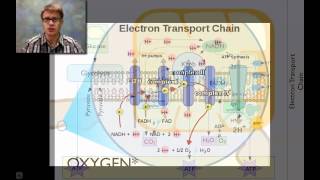
- Electron transport chains: Each process relies on a membrane‑bound electron transport chain (thylakoid membrane in chloroplasts, inner mitochondrial membrane in cells) to create a proton gradient that drives ATP synthesis.
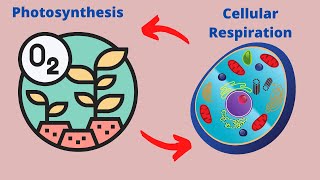
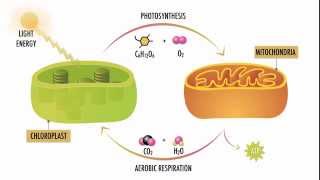
- Gas exchange: Respiration consumes O₂ and releases CO₂; photosynthesis does the opposite, consuming CO₂ and releasing O₂.
- Redox reactions: Both involve oxidation‑reduction (redox) reactions that transfer electrons from donors to acceptors.
Distinct Features (Non‑overlapping Sections)
Cellular Respiration- Occurs in the mitochondria of almost all eukaryotic cells and in the cytoplasm of prokaryotes.
- Breaks down glucose (or other organic fuels) through glycolysis, the citric acid cycle, and oxidative phosphorylation.
- Requires oxygen as the final electron acceptor in aerobic respiration.
- Produces CO₂, H₂O, and ATP as end products.
- Occurs in the chloroplasts of plants, algae, and cyanobacteria.
- Uses light energy to drive the light‑dependent reactions (photolysis of water, production of ATP and NADPH) and the Calvin cycle.
- Requires light, CO₂, and H₂O; does not need oxygen.
- Produces glucose (or other carbohydrates) and O₂ as end products.
How to Use a Venn Diagram in the Classroom
- Introduce the concepts: Begin with a brief overview of each process, then draw the two circles on the board.
- Populate the diagram: Have students suggest items for the overlapping and exclusive sections. Encourage them to cite specific reactions (e.g., glycolysis, photolysis).
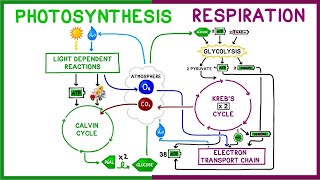
- Discuss connections: Highlight how the products of photosynthesis become the reactants for respiration and vice versa, reinforcing the cyclical nature of Earth’s energy flow.
- Extend the activity: Ask learners to add a third circle for “fermentation” or “chemosynthesis” to explore alternative energy pathways.
Expert Summary of the Relationship
Photosynthesis and aerobic cellular respiration form a complementary pair that drives the planet’s carbon and energy cycles. The glucose generated during photosynthesis serves as the primary fuel for respiration, while the O₂ released by photosynthetic organisms is the essential electron acceptor for aerobic respiration. In turn, the CO₂ produced by respiration provides the carbon source for the Calvin cycle. This elegant feedback loop ensures a continuous flow of energy and matter through ecosystems.
Conclusion
Using a Venn diagram to compare cellular respiration and photosynthesis clarifies both the shared biochemical principles—such as ATP synthesis, electron transport, and redox chemistry—and the distinct roles each process plays in living organisms. By visualizing these connections, students gain a deeper appreciation for the interdependence of life on Earth and the remarkable efficiency of nature’s energy‑conversion systems.