Ulysses Vs Odysseus Book: Understanding the Connection
When exploring the literary landscape of the "hero's journey," two names frequently emerge: Odysseus and Ulysses. While they may seem like two different characters, they are essentially the same figure viewed through different cultural and literary lenses. To understand the "Ulysses vs. Odysseus" debate, one must distinguish between the ancient Greek epic The Odyssey and James Joyce's modernist masterpiece Ulysses.
The Origins: Homer's Odysseus
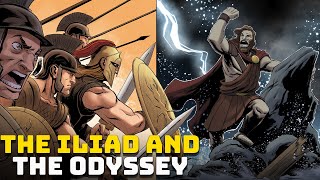
Odysseus is the protagonist of Homer's The Odyssey, one of the oldest works of Western literature. In the original Greek context, he is the King of Ithaca, known for his metis (cunning or craftiness). The narrative follows his ten-year struggle to return home after the Trojan War.
The story of Odysseus is defined by external conflict and physical peril. He battles mythical creatures, resists the temptations of goddesses, and navigates the wrath of Poseidon. The core themes of the original book include:
- Nostos: The Greek concept of "homecoming."
- Xenia: The sacred law of hospitality.
- Fate vs. Free Will: The struggle between divine intervention and human agency.
The Modernist Reimagining: James Joyce's Ulysses
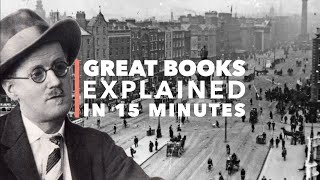
Fast forward to 1922, and James Joyce published Ulysses. While Homer's work is an epic poem about a decade of travel, Joyce's novel is a complex exercise in modernism that takes place over a single day—June 16, 1904—in Dublin, Ireland. "Ulysses" is simply the Latin name for Odysseus.
Joyce does not retell the story of the Trojan War. Instead, he uses the structure of The Odyssey as a scaffolding for a modern story. The protagonist, Leopold Bloom, serves as the modern counterpart to Odysseus. However, where Odysseus fought monsters and gods, Bloom navigates the "monsters" of urban life: grief, loneliness, and social alienation.
Key Differences Between the Two Works
Comparing the two books reveals a shift in how humanity perceives the "hero."
1. The Nature of the Journey
Odysseus's journey is geographic. He travels across the Mediterranean Sea, facing tangible dangers to reach a physical destination. In contrast, Bloom's journey in Ulysses is psychological. The "voyage" happens within the mind, explored through a revolutionary "stream of consciousness" writing style.
2. The Definition of Heroism
Odysseus is a traditional hero: a warrior, a king, and a strategist. His heroism is measured by his strength and his ability to survive. Leopold Bloom is an "anti-hero." He is an advertisement solicitor who is often overlooked or mocked. Joyce suggests that the act of surviving a mundane day in a crowded city with kindness and curiosity is its own form of heroism.
3. Scale and Scope
Homer's epic spans years and involves the entire Greek pantheon of gods. Joyce's novel spans roughly 18 hours and focuses on the minutiae of human existence—what people eat, their fleeting thoughts, and their internal anxieties.
Which Version Should You Read?
Choosing between these two depends on what you seek from a reading experience. If you are interested in mythology, foundational storytelling, and the archetypal struggle of man against nature, Homer's Odysseus is the essential choice. For those who enjoy linguistic experimentation, deep psychological character studies, and the complexities of urban life, Joyce's Ulysses is a rewarding, albeit challenging, read.
The Lasting Legacy
The relationship between these two books demonstrates how literature evolves. By mapping the structure of an ancient epic onto a modern city, Joyce proved that the human condition remains unchanged