Behind the Scenes of UFC 194: Inside the Embedded Series
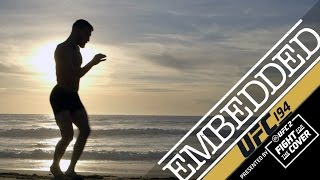
UFC 194 remains one of the most anticipated events in mixed martial arts history. With two massive title fights on the card, the buildup was electric. The UFC Embedded series captured that energy perfectly, offering fans a raw, unfiltered look at the fighters' final days before stepping into the Octagon. From media obligations to last-minute training sessions, the episodes painted a vivid picture of pressure, focus, and determination. This article breaks down the key moments from UFC Embedded 194, highlighting the routines of José Aldo, Conor McGregor, Chris Weidman, and Luke Rockhold.
The Fighters and Their Final Push
The series followed four main athletes, each with a unique path to the biggest night of their careers. Featherweight champion José Aldo was defending his title against the undefeated Conor McGregor, while middleweight champion Chris Weidman faced the surging Luke Rockhold. The Embedded episodes documented their separate camps, showing how each man handled the mental and physical demands of fight week.
Chris Weidman hit the media circuit in New York City early in the week, balancing interviews with his final workouts. His demeanor was calm and focused, a stark contrast to the chaos around him. Luke Rockhold, meanwhile, began final preparation for his title fight with intense sparring sessions and a quiet confidence. The cameras captured him in his element, grinding through drills and visualizing victory.
Episode by Episode: The Road to the Octagon
UFC Embedded 194 unfolded over six episodes, each offering a new layer of insight. The early episodes set the stage, introducing the fighters and their teams. On Episode 1, viewers saw the initial weigh-ins, travel arrangements, and the first face-offs of the week. It was all business, but the tension was already building.
Episode 2 shifted focus to the training rooms. Luke Rockhold’s preparation was on full display, with his long reach and slick grappling taking center stage. Chris Weidman’s camp worked on wrestling and striking combinations, looking sharp under the watchful eye of his coaches. The episode also touched on the mental games, as each fighter tried to tune out the noise and stay locked in.
Episode 3 delved deeper into the champion’s mindset. José Aldo mulled over his legacy and the magnitude of the fight, speaking softly but with intensity. He was calm, almost serene, a stark contrast to his opponent’s loud persona. The episode showed him shadowboxing in his hotel room, visualizing the exchanges he expected in the cage.
The McGregor Factor
No Embedded series is complete without Conor McGregor’s antics. Episode 4 highlighted his media tour, where he faced the press with his usual bravado. But the cameras also caught quieter moments—him studying tape, warming up, and joking with his team. McGregor’s confidence was palpable, but he never appeared careless. He knew the stakes.
Episode 5 and the final Episode 6 brought everything home. The weight cut, the ceremonial weigh-ins, and the last few hours before the fight. On Episode 6, the atmosphere was thick with anticipation. The fighters were no longer talking; they were ready. The series ended with the walk to the Octagon, leaving fans on the edge of their seats.
The Calm Before the Storm
What made UFC Embedded 194 so compelling was its honesty. It didn’t rely on manufactured drama. The routines of José Aldo, Conor McGregor, Chris Weidman, and Luke Rockhold in the week leading up to UFC 194 were shown without filters. Aldo’s quiet focus, McGregor’s brash confidence, Weidman’s disciplined approach, and Rockhold’s relentless drive—all were on display.
The series also highlighted the support systems around each fighter. Coaches, training partners, and family members appeared in the background, offering encouragement. These moments reminded viewers that while only one person steps into the cage, the journey is a team effort. The Embedded episodes captured those small details: the ice baths, the meal prep, the late-night strategy sessions.
A Historic Night in the Making
UFC Embedded 194 did more than promote a fight. It told a story of sacrifice and ambition. Each episode built on the last, creating a narrative that made the event feel inevitable. When the night finally arrived, fans had already walked alongside the fighters for a week. That connection made the victories and defeats more meaningful.
For those who watched the series live, it was a masterclass in fight-week psychology. The calm routines of the champions contrasted with the chaos of the media circus. The final episode, in particular, served as a quiet before the storm—a moment where all the talking stopped and the fighting began.
Why Embedded Matters
The UFC Embedded series has become a staple of major fight cards, and UFC 194 was a perfect example of why. It humanizes the athletes, showing them as more than just highlight-reel finishes. It builds anticipation by giving fans a front-row seat to the preparation. And it captures history in real time, preserving moments that would otherwise be lost.
UFC Embedded 194 remains a fan favorite because it delivered on every level. Whether it was Chris Weidman handling media in New York or Luke Rockhold finishing his final sparring session, every scene added depth to the event. The series didn’t need hype; the fighters provided their own. All the cameras had to do was roll.
Looking back, the episodes serve as a time capsule of a legendary card. They remind us of the nerves, the excitement, and the sheer willpower required to compete at the highest level. For fans of the sport, UFC Embedded 194 is essential viewing—a behind-the-scenes look at the moments that define careers.