Understanding the Dynamics of Trump, Iran, and Israel Toward Peace
The geopolitical landscape of the Middle East remains one of the most complex challenges in global diplomacy. Central to this volatility is the triangular relationship between the United States, Iran, and Israel. As political leadership shifts and regional tensions escalate, the prospect of a lasting peace depends on how these nations balance security interests with diplomatic outreach.
The Legacy of the "Maximum Pressure" Campaign
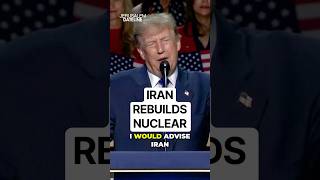
Under the leadership of President Donald Trump, the United States shifted its strategy toward Iran from engagement to a policy of maximum pressure. This approach involved withdrawing from the Joint Comprehensive Plan of Action (JCPOA), the 2015 nuclear deal, and reimposing stringent economic sanctions. The primary goal was to isolate the Iranian government and limit its ability to fund regional proxies.
Proponents of this strategy argue that it weakened Iran's financial capabilities and highlighted the regime's role in destabilizing neighboring states. However, critics suggest that the withdrawal from the nuclear agreement encouraged Iran to accelerate its uranium enrichment, creating a new set of security concerns for Israel and the broader international community.
Israel's Strategic Position and Netanyahu's Approach
For Israel, the threat posed by Iran is viewed as existential. Prime Minister Benjamin Netanyahu has consistently advocated for a hardline stance against Tehran, emphasizing the need to prevent Iran from acquiring nuclear weapons. In a recent interview with Israeli TV network Channel 14, Netanyahu highlighted the immense amount of diplomatic effort invested in this cause, stating that he had spent “close to 1000 hours” briefing world leaders on the dangers of an Iranian nuclear capability.
The relationship between the Trump administration and the Israeli government was characterized by unprecedented alignment. Key milestones included the recognition of Jerusalem as Israel's capital and the brokering of the Abraham Accords. These agreements normalized relations between Israel and several Arab nations, including the UAE and Bahrain, suggesting a new blueprint for peace based on shared security interests against common adversaries.
The Role of Military Deterrence and Regional Friction
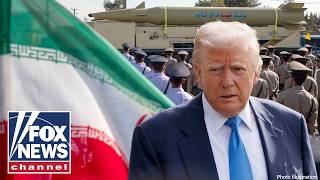
Despite diplomatic efforts, the region has seen frequent military friction. The US Navy has occasionally been called upon to secure shipping lanes and deter Iranian aggression in the Persian Gulf. For instance, reports indicate the US Navy struck three targets in response to specific provocations, illustrating the thin line between deterrence and active conflict.
Regional actors often view these dynamics through different lenses. Turkish President Recep Tayyip Erdogan has accused various Western powers of fueling instability in the region through inconsistent policies. These accusations reflect a broader struggle for influence among regional powers, where Turkey, Saudi Arabia, and Iran compete for leadership in the Islamic world.
Challenges to Achieving Long-Term Peace
Achieving a comprehensive peace involving Iran and Israel requires overcoming several deep-seated obstacles:
- Nuclear Proliferation: The primary hurdle remains Iran's nuclear program. Without a verifiable agreement, Israel remains committed to preventing a nuclear-armed Iran by any means necessary.
- Proxy Warfare: Iran's support for groups such as Hezbollah and Hamas continues to create flashpoints, particularly along the Lebanese border and in Gaza.
- Diplomatic Trust: The collapse of previous agreements has led to a deficit of trust, making new negotiations difficult.
Analyzing the Path Forward
Some analysts believe that the "Peace through Strength" model championed by President Donald Trump provides the only viable path forward. Sky News Defence Analyst Peter Jennings suggests that a strong US presence and clear red lines are necessary to prevent regional escalation. By maintaining a posture of strength, the US can compel adversarial regimes to negotiate from a position of weakness.
Conversely, others argue that peace cannot be achieved through sanctions and military pressure alone. They suggest that a hybrid approach—combining strategic deterrence with diplomatic incentives—is required to integrate Iran into a regional security framework that includes Israel.
Conclusion
The quest for Trump, Iran, and Israel peace is not merely about the absence of war, but the establishment of a stable equilibrium. While the Abraham Accords proved that