Trump And Japan: Navigating Historical Sensitivities and Modern Alliances
The relationship between the United States and Japan has long been one of the most important bilateral partnerships in the Pacific, but it has also faced moments of friction that tested diplomatic norms. During his presidency, Donald Trump's interactions with Japanese leadership included several notable episodes involving historical references, trade tensions, and strategic questions about alliance cooperation.
The Pearl Harbor Remark That Backfired
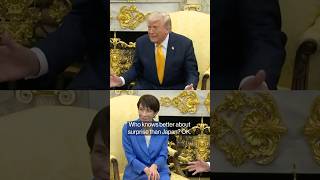
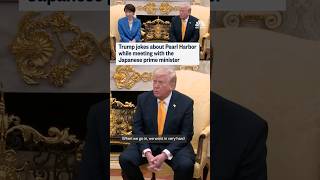
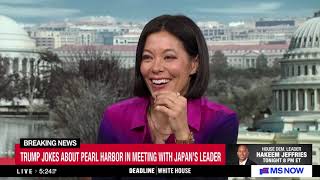
One of the most discussed moments occurred when President Donald Trump made a comment referencing Pearl Harbor during a visit to Japan in front of then-Prime Minister Shinzo Abe. The remark was widely interpreted as an attempted joke, but it landed poorly given the profound historical significance of the 1941 attack on Pearl Harbor, which drew the United States into World War II and resulted in the deaths of more than 2,400 Americans.
Critics argued that the casual nature of the reference was deeply inappropriate in a diplomatic setting with Japanese leadership present. The moment became a symbol of how informal presidential rhetoric could accidentally undermine the dignity of delicate international relationships, especially those involving historical trauma.
Strained Moments in the U.S.-Japan Partnership
While the Pearl Harbor incident drew significant attention, it was not the only point of tension between the Trump administration and Japan. Trade disputes were a persistent source of friction throughout Trump's presidency. The administration's approach to tariffs and trade negotiations often placed pressure on Japanese exporters, particularly in the automotive sector.
President Trump frequently criticized existing trade arrangements and pushed for revisions that he believed would better serve American economic interests. These negotiations sometimes created uncertainty in Tokyo about the reliability of the trans-Pacific alliance beyond security matters.
Questions About Intelligence Sharing and Iran
Perhaps more substantively, questions arose about the depth of intelligence cooperation between the United States and its allies. When asked by a reporter about why the U.S. did not share their Iran war plans with Japan, the question highlighted a broader concern among some American partners about how much transparency they could expect from Washington on critical military decisions.
Such moments underscored a recurring theme in Trump's foreign policy approach: a preference for bilateral deals and direct negotiations over multilateral coordination. While this style sometimes produced breakthrough agreements, it also left allies uncertain about their role in major strategic decisions involving the Indo-Pacific region.
Economic Pressures on the Yen and Dollar
Complicating the bilateral relationship further were economic fluctuations that affected both nations. At various points during the Trump years, the U.S. dollar weakened sharply against the Japanese yen, creating headaches for American policymakers who viewed a strong dollar as beneficial for global markets and a weak dollar as harmful to U.S. exports.
These currency movements intersected with trade debates, as Japanese officials were sensitive to exchange rate impacts on their export-driven economy. The interplay between monetary policy, trade strategy, and diplomatic relations made U.S.-Japan interactions under Trump more complex than simple alliance rhetoric suggested.
A Relationship Worth Preserving
Despite these tensions, the foundational elements of the U.S.-Japan alliance remained intact. The two countries share democratic values, face common strategic challenges from North Korea and China, and maintain deep economic ties. Both sides recognized that the partnership serves mutual interests that extend far beyond any single controversy or misplaced remark.
Historical memory plays an essential role in this relationship. The legacy of Pearl Harbor and the subsequent alliance forged after World War II remain central to how both nations understand their shared history. Leaders in Tokyo and Washington continue to acknowledge that cooperation between the two nations has prevented further conflict in the Pacific for over seven decades.
Lessons for Future Diplomacy
The episode involving Trump and Japan's Pearl Harbor reference offers a reminder that historical awareness matters in diplomacy. Casual remarks about traumatic historical events can erode trust and create unnecessary diplomatic complications, even when no harm is intended.
As U.S.-Japan relations evolve, both governments will likely continue to navigate the balance between pragmatic deal-making and the ceremonial respect that sustained alliances require. The lessons from this period suggest that strong partnerships depend not only on strategic and economic alignment but also on mutual sensitivity to history and shared values.
```