Mastering Multiplication with Timed Tests
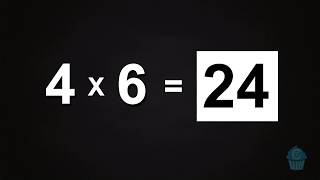
Developing a strong foundation in multiplication is a cornerstone of mathematical proficiency. One of the most effective ways to transition from basic counting to fluent calculation is through the use of timed tests multiplication exercises. By introducing a time element, learners move beyond simple recall and begin to develop automaticity, which is the ability to retrieve math facts instantly without conscious effort.
When students challenge their mathematics skills with this engaging method, they reduce the cognitive load required for complex problem-solving. When a child no longer needs to spend thirty seconds calculating 7 x 8, they can dedicate their full mental energy to more advanced concepts like long division, fractions, or algebraic equations.
The Benefits of Timed Multiplication Practice
Timed tests are not merely about speed; they are about building confidence and accuracy. Here are the primary advantages of integrating timed multiplication drills into a study routine:
- Improved Fluency: Regular practice helps learners internalize multiplication tables, making maths feel more intuitive.
- Increased Confidence: Beating a previous personal record provides a sense of achievement and encourages a positive relationship with numbers.
- Better Performance in Class: Many classroom activities and standardized tests are timed. Practicing at home reduces anxiety during these high-pressure moments.
- Mental Agility: Rapid recall trains the brain to process information more efficiently.
How to Implement Timed Tests Effectively
To get the most out of timed multiplication practice, it is important to avoid burnout and anxiety. The goal is to learn your tables, not to feel stressed by the clock. Consider these strategies to make the process productive:
1. Start with Small Sets
Instead of tackling the entire 1-12 table at once, focus on one specific number. For example, spend a week mastering the 4s before moving on to the 6s. This prevents the learner from feeling overwhelmed and ensures a solid foundation.
2. Use a "Beat Your Own Score" Approach
Rather than comparing results with peers, encourage students to compete against their own previous times. This shifts the focus from external competition to personal growth. Track progress using a simple chart to visualize improvement over time.
3. Incorporate Gamification
Turning study time into a play session can significantly increase engagement. Use digital timers, flashcards, or interactive apps. When the process feels like a game, the brain is more receptive to learning, and the "challenge" aspect becomes a motivator rather than a deterrent.
Common Multiplication Hurdles and How to Overcome Them
Many learners hit a plateau when they reach the "hard" numbers, such as 7, 8, and 12. If a student is struggling to improve their timed test scores, try these techniques:
- Identify Patterns: Teach the relationship between numbers. For example, if they know 5 x 6 = 30, they can find 6 x 6 by simply adding one more group of 6.
- Use Visual Aids: Before starting the timer, use arrays or multiplication grids to visualize the problem. This helps the student understand why the answer is correct.
- The Power of Repetition: Consistency is key. Short, five-minute bursts of practice daily are far more effective than one long session per week.
Moving Toward Mathematical Mastery
As a student becomes proficient with timed tests, they are MOVING toward a higher level of mathematical maturity. The transition from "calculating" to "knowing" is a pivotal moment in a student's academic journey. Once the basic multiplication facts are locked in, the learner can explore the beauty of mathematics without being held back by basic arithmetic hurdles.
By combining structured timed tests with a supportive environment, any learner can master multiplication. Whether through traditional pen-and-paper drills or modern digital tools, the objective remains the same: building a fast, accurate, and