Mastering The Crucible One Pager: A Comprehensive Guide
Creating a Crucible one pager is an effective way for students and educators to synthesize the complex themes, characters, and plot points of Arthur Miller's classic play. A one pager is a single-page response that uses both visual elements and textual analysis to demonstrate a deep understanding of a literary work. Because The Crucible deals with heavy themes of mass hysteria, reputation, and legal injustice, condensing these ideas into one visual space requires critical thinking and organization.
What is a One Pager?
A one pager is more than just a summary; it is a creative synthesis. Instead of writing a traditional multi-page essay, you are tasked with fitting the most essential elements of the play onto one sheet of paper. This format encourages you to identify anomalies and paradoxes—concepts often highlighted in GCSE English Language rubrics—and illustrate how they function within the narrative of the Salem witch trials.
Essential Components for Your One Pager
To ensure your one pager is comprehensive and meets academic standards, you should include the following elements:
- A Central Image: A powerful visual representation of the play's core conflict. This could be a gavel, a noose, or a stylized image of the forest.
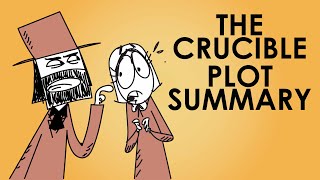
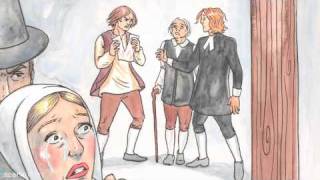
- Plot Summary: A concise summary of the narrative arc. Focus on the transition from the girls' dancing in the woods to the tragic executions in Act IV.
- Key Quotes: Select 3-5 pivotal quotes that reveal character motivation or thematic depth. For example, John Proctor’s struggle with his "name" is central to the climax.
- Thematic Analysis: Identify the primary themes, such as Hysteria, Reputation, and Power. Explain how these themes drive the plot forward.
- Character Map: A brief illustration of the relationships between John Proctor, Abigail Williams, Reverend Hale, and Judge Danforth.
Step-by-Step Directions for Creating Your One Pager
- Analyze the Text: Before drawing, review your notes. Identify the most significant turning points in the plot and the most impactful dialogue.
- Plan Your Layout: Divide your page into sections. Place your central image in the middle and arrange your quotes, summary, and themes around the perimeter.
- Draft Your Summary: Write a brief plot summary that captures the essence of the play. Ensure you mention the catalyst (the girls' behavior) and the resolution (Proctor's refusal to sign a false confession).
- Incorporate Symbols: Use colors and symbols to represent different emotions. For instance, red might represent the passion and anger of Abigail, while grey represents the oppressive nature of the court.
- Refine Your Analysis: Look for paradoxes. A key paradox in The Crucible is that the court, intended to protect the community from the devil, becomes the primary source of evil and destruction.
Deepening Your Understanding of the Play
To elevate your one pager from a basic assignment to an advanced analysis, consider the historical context. Arthur Miller wrote the play as an allegory for McCarthyism and the "Red Scare" of the 1950s. Mentioning this parallel shows a sophisticated understanding of the author's intent.
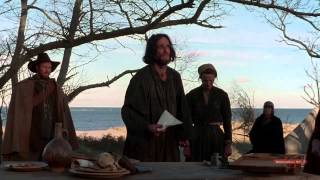
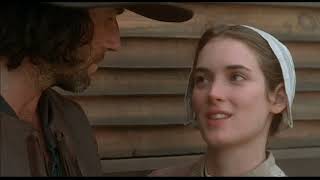
For those who prefer multimedia learning, exploring different interpretations of the text can be helpful. The 1996 film adaptation featuring Daniel Day-Lewis provides a visceral look at the psychological toll of the trials, offering visual inspiration for your one pager's imagery.
Common Pitfalls to Avoid
When designing your one pager, avoid these common mistakes:
- Too Much White Space: A one pager should be vibrant and full. Fill gaps with border designs, small sketches, or additional keywords.
- Over-Summarizing: Do not let the plot