Understanding the Switzerland Schengen Visa
Planning to visit Switzerland, whether for the breathtaking landscapes of the Alps, the luxury of Zurich, or the historic charm of Geneva, requires proper documentation. Since Switzerland is a member of the Schengen Area, travelers from non-exempt countries must obtain a Switzerland Schengen Visa to enter the country and other member states.
A Schengen visa allows you to travel freely across the 29 European countries that comprise the zone. However, you must apply through the Swiss consulate or embassy if Switzerland is your primary destination or your first point of entry into the Schengen Area.
Types of Switzerland Schengen Visas
Depending on the purpose and duration of your stay, you will need to apply for a specific category of visa:
- Short-stay Visa (Type C): This is the most common visa for tourists, business travelers, and family visitors. It allows a stay of up to 90 days within a 180-day period.
- Long-stay Visa (Type D): This is intended for individuals planning to stay in Switzerland for more than 90 days for purposes such as work, study, or family reunification.
Step-by-Step Guide on How to Apply
Navigating the application process can seem daunting, but following a structured approach can significantly improve your chances of approval. Here is the standard procedure for securing your visa:
1. Determine Your Visa Category
Before starting the paperwork, identify why you are visiting. Tourism, business meetings, or visiting friends and family all require slightly different supporting documents.
2. Gather Required Documentation
The strength of your application lies in your documentation. Ensure you have the following ready:
- Valid Passport: Must be valid for at least three months beyond your intended departure date from the Schengen Area and have at least two blank pages.
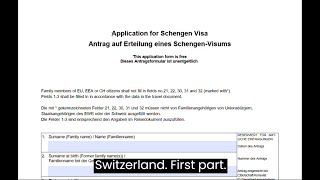
- Visa Application Form: Fully completed and signed.
- Passport-Sized Photographs: Recent photos that meet ICAO standards.
- Travel Insurance: A policy covering medical emergencies and repatriation with a minimum coverage of €30,000, valid across all Schengen states.
- Flight Itinerary: Proof of round-trip flight reservations.
- Proof of Accommodation: Hotel bookings or an invitation letter from a host in Switzerland.
- Financial Means: Recent bank statements to prove you can support yourself during the trip.
- Cover Letter: A detailed letter explaining the purpose of your visit and your travel itinerary.
3. Schedule an Appointment
Most Swiss embassies use third-party service providers to handle the initial collection of documents and biometric data. You will need to book an appointment online to submit your application in person.
4. Attend the Interview and Submit Biometrics
During your appointment, you will submit your dossier and provide fingerprints (biometrics). The consular officer may ask a few questions regarding your travel plans and your intention to return to your home country.
Tips to Increase Your Visa Approval Chances
While there is no guaranteed "hack" for approval, a meticulous application process reduces the risk of rejection. To maximize your chances:
- Be Consistent: Ensure the dates on your flight tickets, hotel bookings, and cover letter match perfectly.
- Provide Strong Ties: Include proof of employment, property ownership, or family ties in your home country to demonstrate your intent to return.
- Avoid Last-Minute Applications: Apply at least 15 to 45 days before your intended travel date to account for processing times.
Processing Time and Fees
The standard processing time for a Switzerland Schengen Visa is usually 15 calendar days, though it can take longer during peak travel seasons (summer and winter holidays). The visa fee varies by age and nationality; children typically pay a reduced rate, while infants may be exempt