Understanding Story Elements Charts for Better Literacy
Whether you are a student learning to analyze a novel or a writer drafting a new manuscript, a story elements chart is an essential tool. These visual organizers break down the complex architecture of a narrative into manageable components, allowing for a deeper understanding of how a story functions.
By utilizing a structured chart, readers can move beyond simply summarizing a plot and begin analyzing how specific elements interact to create a cohesive theme. For educators, these charts provide a standardized way for students to demonstrate their comprehension of English Language Arts (ELA) concepts.
The Five Core Story Elements
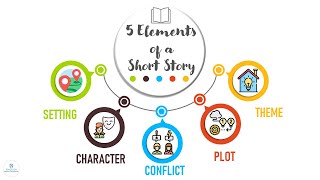
To fill out a story elements chart effectively, one must first understand the five fundamental pillars of storytelling. Most charts are divided into these specific categories:
- Characters: The individuals (people, animals, or creatures) who participate in the action. This includes the protagonist, the antagonist, and supporting characters.
- Setting: The location and time period in which the story takes place. Setting establishes the mood and can often influence the plot.
- Plot: The sequence of events that make up the story. This is the "what happened" of the narrative.
- Conflict: The primary struggle or problem that drives the plot forward. Without conflict, there is no tension or reason for the characters to act.
- Resolution: How the conflict is eventually settled. This provides closure to the narrative arc.
Visualizing the Plot: The Plot Mountain Diagram
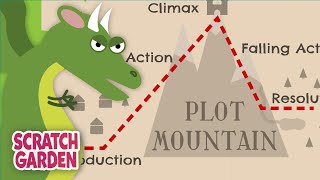
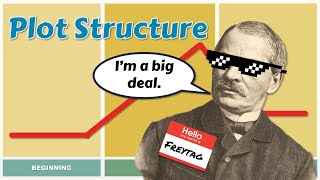
While a basic chart lists elements, a plot mountain diagram is often used when learning storytelling or teaching to visualize the pacing of a narrative. This diagram maps the plot as a climb and descent, highlighting the emotional and structural peaks of the story.
A standard plot mountain includes the following stages:
- Exposition: The introduction of characters and the setting.
- Rising Action: A series of events that build tension and develop the conflict.
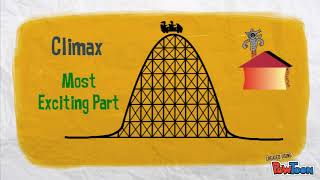
- Climax: The turning point or the most intense moment of the story.
- Falling Action: The events that follow the climax and lead toward the end.
- Resolution: The final outcome where loose ends are tied up.
How to Use a Story Elements Chart in the Classroom
Integrating these charts into a curriculum helps students transition from passive reading to active analysis. Teachers often use a combination of multimedia and graphic organizers to reinforce these concepts.
For instance, starting a lesson with a short video explaining what the plot of a story is can provide a visual foundation. When students see a video that provides a deep understanding of the five elements using concrete examples, they are better equipped to fill out their own charts.
Practical applications include:
- Comparative Analysis: Using two different charts to compare how two different authors handle the same theme.
- Drafting Tool: Writers can use a story elements chart as a blueprint before they begin writing their first draft to ensure their plot is logical.
- Reading Comprehension Checks: Asking students to identify the conflict and resolution in a short story using a structured grid.
Benefits of Graphic Organizers in English Language Arts
The primary benefit of a story elements chart is the reduction of cognitive load. Instead of trying to remember every detail of a 300-page book, a student can map the essential "bones" of the story. This allows them to focus on higher-level questions, such as why a character made a certain choice or how the setting contributed to the conflict.
Furthermore, these charts encourage critical thinking. When a student realizes they cannot identify the "resolution" on their chart, it signals a gap in their understanding of the text, prompting them to revisit the conclusion of the story.
For those looking to expand their skills, exploring animated learning videos for English Language Arts can provide