Song Figurative Language: A Fun Way to Teach 8th Graders
Music is a natural hook for middle‑school learners. When a catchy beat meets vivid figurative language, students can hear grammar in action and remember it long after the lesson ends. This article explains how to use songs to explore similes, metaphors, personification, onomatopoeia, alliteration, hyperbole, and repetition—all while keeping the classroom lively.
Why Songs Are Perfect for Figurative Language
Students often struggle to see the relevance of literary terms in everyday writing. A song lyric, however, is a real‑world example that:
- Shows meaning instantly—the rhythm and melody reinforce the word choice.
- Engages auditory learners—the same line can be heard repeatedly, cementing the concept.
- Encourages collaboration—students can discuss and annotate lyrics together.
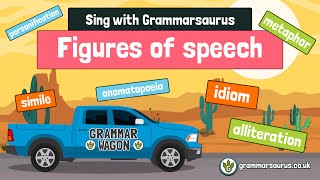
Grammarsaurus teaching videos add an extra edge. Their “Grammar Groove” series demonstrates each figurative device with animated examples, then invites students to identify the same device in a chosen song.
Key Figurative Devices to Highlight
Simile and Metaphor
Both compare two ideas, but a simile uses “like” or “as,” while a metaphor states the comparison directly.
- Play a verse that says, “Your love is like a sunrise.” (Simile)
- Follow with a line such as, “He’s a storm in the hallway.” (Metaphor)
Ask students to rewrite each line using the opposite device. This reinforces the structural differences and encourages creative thinking.
Personification
When non‑human things receive human traits, the lyric becomes vivid. Example: “The wind whispered secrets through the trees.” Have students underline the verb that gives the wind a voice and discuss why the writer chose that image.
Onomatopoeia
Sound‑imitating words like “boom,” “crash,” or “buzz” make a song feel immediate. Play a short clip that features a drum “thump‑thump” and ask students to list the onomatopoeic words they hear. This activity links auditory perception with spelling practice.
Alliteration and Repetition
Alliteration repeats the same initial consonant sound, creating rhythm: “Silent streets, soft shadows.” Repetition—whether of a phrase, word, or musical hook—emphasizes a theme. Have learners count how many times a chorus repeats a key phrase and discuss its impact on the song’s mood.
Hyperbole
Exaggeration adds drama. A lyric like “I’ve waited a million years” is clearly hyperbolic. Students can research the literal meaning, then write a realistic alternative, sharpening both comprehension and writing precision.
Lesson Plan Snapshot
Below is a quick, adaptable outline for an 8th‑grade class using a “Figurative Language Song” and Grammarsaurus videos.