What Are Solutes, Solvents, and Solutions?
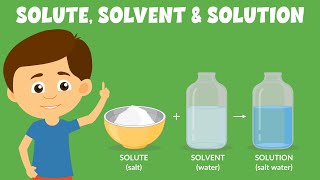
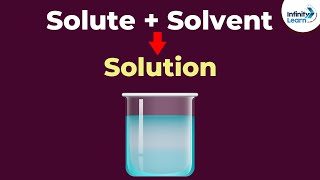
When you mix two or more substances together, you often create a solution. A solution is a homogeneous mixture where one substance (the solute) is completely dissolved in another (the solvent). The solute is the component present in a smaller amount, while the solvent is usually the major component that carries the mixture. Understanding these three parts is the first step in exploring how chemistry works in everyday life.
Key Definitions
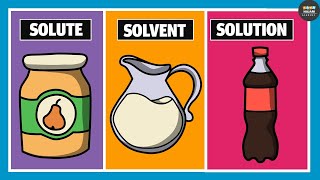
- Solute: The substance that gets dissolved.
- Solvent: The medium that dissolves the solute.
- Solution: The uniform mixture of both.
The Role of Water as a Universal Solvent
Water is often called the universal solvent because it can dissolve more substances than any other liquid. This ability comes from its polar molecules: the oxygen end carries a slight negative charge, while the hydrogen ends carry a slight positive charge. These opposite charges attract ions and polar molecules, pulling them apart and surrounding them in solution.
In many educational videos, such as the chemistry video that introduces solubility, water’s unique properties are highlighted. The video explains how water molecules form hydration shells around ions, effectively separating them from their original crystal lattice. This process is essential for everything from dissolving salt in a glass of water to transporting nutrients in living organisms.
How Compounds Dissolve: The Science of Solubility
Solubility refers to the maximum amount of solute that can dissolve in a given amount of solvent at a specific temperature and pressure. The amount varies widely depending on the chemical nature of both substances.
Factors Influencing Solubility
- Temperature: For most solids, increasing temperature raises solubility because higher energy helps break intermolecular forces.
- Pressure: This mainly affects gases; higher pressure typically increases gas solubility in