Soccer Defense Drills: Building a Stronger Backline
Defense is the backbone of every successful soccer team. When players understand how to stay compact, communicate, and react quickly, they limit the opponent’s chances and create opportunities for counter‑attacks. Below is a comprehensive guide of soccer defense drills that work for youth groups, high‑school squads, and adult clubs alike. Each drill focuses on the fundamentals—positioning, communication, and reaction time—while offering progressive challenges to keep players engaged.
Why Defense Matters
To defend effectively, young athletes must master a few core concepts:
- Positioning: Staying in the right space to intercept passes and block shooting lanes.
- Communication: Constantly talking with teammates to cover gaps and organize the line.
- Reaction time: Responding instantly to sudden changes such as a quick through ball or a fast break.
These principles not only reduce the number of goals conceded but also give the team confidence to press higher up the field.
Fundamental Drills for Beginners
Start with drills that reinforce the basics before moving to more complex scenarios.
1. 1‑vs‑1 Defensive ChallengeSet up a small grid (10 × 15 m). One attacker tries to dribble past a defender and score on a mini‑goal. The defender works on staying low, using the body to shield, and timing the tackle. Rotate players after each attempt.
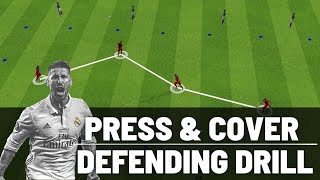
2. Press & CoverTwo defenders line up side‑by‑side. The front defender presses the ball‑carrier while the second defender provides cover, ready to step in if the attacker bypasses the first line. This drill teaches the “press‑and‑support” concept essential for a cohesive back four.
3. Shadow DefensePair up players. One mirrors the movements of the other, staying a few steps behind. The “shadow” focuses on footwork, body orientation, and maintaining a safe distance to react to any direction the attacker chooses.
Intermediate Drills to Add Structure
Once players are comfortable with basic concepts, introduce drills that incorporate teamwork and spatial awareness.
1. 2‑vs‑2 Zone CollapseMark a rectangular zone (20 × 30 m). Two attackers try to penetrate the zone while two defenders work together to collapse space, force the ball wide, and recover possession. Emphasize communication (“I’m covering left!”) and quick shifting of the defensive line.
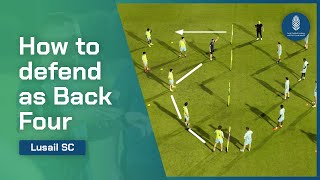
2. Back‑Four Shape DrillArrange four defenders in a line across the width of the penalty area. A coach or teammate passes the ball from side to side, and the defenders must slide laterally while maintaining a compact shape. This drill reinforces the “line‑of‑defense” principle and prepares players for the classic 4‑4‑2 or 4‑3‑3 formations.
3. Transition Defense (3‑vs‑2)Three attackers attack a two‑defender unit. After the ball is lost, the defenders must quickly transition from offense to defense, covering passing lanes and forcing the attackers into a low‑risk option. This drill sharpens reaction time and teaches players to anticipate the opponent’s next move.
Advanced Drills for Competitive Edge
These drills are designed for teams that already have a solid defensive foundation and want to fine‑tune their tactics.
1. 3‑vs‑2 Counter‑PressThree defenders face two attackers in a half‑field setting. After winning the ball, the defending trio immediately presses high to regain possession, while the attackers try to exploit any gaps. This drill mirrors the “gegenpress” style used by top clubs.
2. Switching Defensive RolesFour defenders start in a back four. On a signal, two players swap positions (left‑right or center‑full‑back) while the ball is in play. The goal is to maintain shape and avoid leaving space open. This exercise improves flexibility and understanding of each position’s responsibilities.
3. Competitive 1‑vs‑1 ChallengeSet up a series of one‑on‑one duels inside a small box (8 × 8 m). Each defender tries to stop the attacker from reaching a designated “goal line.” Keep score and rotate players to foster a competitive spirit. This drill is great for sharpening tackling technique and mental toughness.
Coaching Tips to Maximize Results
- Use clear cues: Simple commands like “step up,” “slide,” or “talk” help players internalize defensive habits.
- Video analysis: Record drills and review them with the team to highlight good positioning and missed opportunities.
- Progressive overload: Increase the speed of passes or the number of attackers as players improve, ensuring continuous development.
- Positive reinforcement: Praise correct communication and smart decisions more than just successful tackles.
Digital Resources and Further Learning
Want to improve your defensive tactics even more? Learn football skills with Unisport and see the latest reviews. If you contribute subtitles, titles, or descriptions, leave your name to get credit for your work.
Find out more and have your own digital assistant coach at Modern Soccer Coach. Check out the new training modules, use the press and cover videos for visual reference, and explore the competitive 1vs1 challenges that simulate real‑match pressure.
Free Ebook for Coaches
DOWNLOAD YOUR FREE EBOOK BELOW!! This guide, “The Back Four Blueprint,” offers detailed drill plans, session outlines, and coaching cues. Grab it here:
https://www.modernsoccercoach.com/product-page/5-back-four-
Conclusion
Effective defense is built on consistent practice, clear communication, and a deep understanding of positioning. By incorporating the drills outlined above—ranging from beginner 1‑vs‑1 challenges to advanced 3‑vs‑2 counter‑presses—coaches can develop a resilient backline capable of withstanding pressure and launching swift attacks. Combine on‑field work with digital tools, video analysis, and the free ebook to keep learning and stay ahead of the competition.