Mastering Visual Information with a Sketchnote Template
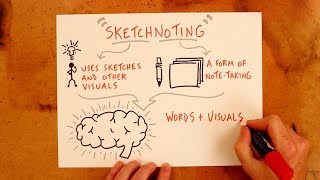
Sketchnoting, or visual note-taking, is a powerful technique that combines text, icons, shapes, and arrows to capture complex ideas in a digestible format. Whether you are a student, a professional, or a creative, using a sketchnote template can help you overcome the "blank page syndrome" and organize your thoughts effectively during lectures, meetings, or brainstorming sessions.
By integrating visual elements into your notes, you engage different parts of your brain, which often leads to better retention and comprehension of the material. If you are new to the practice, understanding how to structure your page is the first step toward visual fluency.
Why Use a Sketchnote Template?
Many beginners feel intimidated when staring at a completely white sheet of paper. A template provides a foundational structure that guides your layout without stifling your creativity. It serves as a roadmap for your ideas.
For those who don't like the pressure of designing a layout on the fly, templates offer a safety net. They allow you to focus entirely on the content being presented rather than worrying about where to place your next doodle or paragraph. Over time, you will develop your own style, but starting with a proven framework is an excellent way to build confidence.
Key Components of Effective Sketchnoting
Before you dive into a specific template, it is helpful to understand the core building blocks of visual note-taking. As popularized by experts like Mike Rohde, the goal is not to be an artist, but to be an effective communicator. Your sketchnotes should prioritize clarity and meaning over aesthetic perfection.
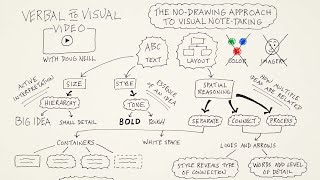
- Typography: Use varied font sizes and styles to create a clear visual hierarchy. Bold headers ensure you know exactly what a section is about.
- Containers: Use boxes, speech bubbles, or cloud shapes to group related ideas together.
- Connectors: Arrows and lines are essential for showing the flow of information or the relationship between two concepts.
- Icons: Simple symbols—like a lightbulb for an idea or a clock for time—can represent complex ideas instantly.
How to Get Started with Your Layout
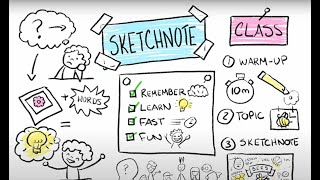
If you are looking to get started immediately, there are several methods to structure your page. You can follow a linear flow, a radial map, or a grid-based approach. A popular resource for beginners is this sketchnote guide, which offers a digital starting point for organizing your thoughts.
When choosing a template, consider the context of your note-taking:
- The Linear Template: Best for chronological lectures or step-by-step processes.
- The Radial Map: Ideal for brainstorming sessions where one central theme branches out into various sub-topics.
- The Grid Layout: Useful for meetings with multiple speakers or distinct agenda items that need to be kept separate.
Refining Your Skills
Sketchnoting is a skill that improves with practice. Even if your first few attempts feel messy, the process of synthesizing information into visual shorthand is inherently valuable. If you prefer visual learning, there are many resources available to help you sharpen your technique. For those interested in the classroom application, Sketchnoting In The Classroom provides specific strategies for educators and students alike.
Additionally, keeping a dedicated notebook or using a digital tablet allows you to experiment with different pen weights and colors. Quick tips—such as those found in tutorials for brands like Staedtler—often emphasize starting with simple lines and shapes before moving on to more complex illustrations.
Resources for Further Learning
If you want to dive deeper into