Creative Sight Word Ideas to Boost Early Reading
Teaching sight words is a cornerstone of early literacy. These high‑frequency words appear in almost every sentence a child reads, yet many do not follow regular phonetic patterns. When students recognize them instantly, reading becomes smoother, comprehension improves, and confidence grows. Below you’ll find a collection of practical, research‑backed sight word ideas—ranging from quick classroom tricks to engaging home activities—that you can start using today.
What Exactly Are Sight Words?
Sight words (sometimes called high‑frequency words) are common words that readers are encouraged to memorize by sight rather than decode phonetically. Examples include “the,” “and,” “is,” and “you.” Because these words often contain irregular spellings, repeated exposure and memorization are essential for fluency.
Why Mastering Sight Words Matters
- Fluency: Recognizing sight words frees up mental space to decode new words, speeding up reading.
- Comprehension: When the brain isn’t stuck on familiar words, it can focus on meaning.
- Confidence: Early success with sight words builds a positive attitude toward reading.
Idea #1 – Make Learning Fun with Games
Children learn best when they are having fun. Below are three quick games that turn sight‑word practice into playtime.
- Sight Word Bingo: Create bingo cards with sight words instead of numbers. Call out words and let students cover the matching squares.
- I Spy (Word Edition): Hide word cards around the room. Say, “I spy a word that begins with ‘s’,” and let learners hunt for it.
- Popcorn Shape Challenge: Inspired by the viral 🍿 Popcorn shape sight words list for kids video, arrange word cards in a popcorn‑shaped cluster on a table. Students pop (pick up) a word, read it aloud, and place it in the correct column (e.g., “CVC,” “Irregular”).
Idea #2 – Visual Aids That Stick
Visual cues reinforce memory. Consider these options:
- Word Walls: Dedicate a wall space to display mastered words in bold, colorful letters. Rotate new words weekly.
- Flashcard Apps: Many free apps let you create digital flashcards with audio, perfect for home practice.
- Posters with Context: Show a sight word inside a short sentence and a related picture. For example, “We went to the park” with a park illustration.
Idea #3 – Repetition Through Daily Routines
Consistent exposure is key. Embed sight words into everyday moments:
- Read a “Word of the Day” during morning circle.
- Write the day’s target word on the board and ask students to use it in a sentence before lunch.
- Include sight words on classroom labels (e.g., “door,” “window”) and encourage students to read them aloud as they move around.
Idea #4 – Make It Relevant to Their Lives
When words connect to personal interests, retention improves.
- Ask students to find sight words in their favorite picture books or comic strips.
- Have them create a short “story postcard” using at least five sight words they have learned.
- Use real‑world items—like grocery receipts or bus schedules—to highlight sight words in authentic contexts.
Idea #5 – Teacher Spotlight: Amanda Leger’s Approach
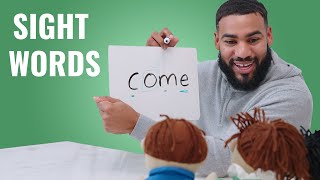
At Wichita Collegiate School in Wichita, KS, teacher Amanda Leger shares a concise video titled “Here’s how I teach sight words.” In the clip, she demonstrates a three‑step routine:
- Introduce the word with a clear, exaggerated pronunciation.
- Show the word on a magnetic board while students trace it with their fingers.
- Play a rapid‑fire “flash‑round” where each student reads the word aloud within five seconds.
Leger’s method emphasizes speed and muscle memory, making it a useful model for both classroom and home settings.
Idea #6 – A List of 100 Quick Activities
Below is a compact list of 100 bite‑size sight‑word ideas you can mix and match. Choose a few each week to keep instruction fresh.
- Create a word‑matching memory game.
- Use a dry‑erase board for “Word of the Day” writing drills.
- Play “Word Toss” with a soft ball—read the word before catching.
- Make a sight‑word collage from magazine cut‑outs.
- Set up a “Word Hunt” on a classroom rug.
- Record students saying each word; play back for self‑correction.
- Use a timer for a 30‑second sprint reading challenge.
- Incorporate sight words into math problems (“Add 3 to the”).
- Write words on sticky notes and place them on students’ desks.
- Have a “Word Relay” where teams race to write the word correctly.
Putting It All Together
Effective sight‑word instruction blends fun, visual reinforcement, repetition, and real‑world relevance. Whether you adopt Amanda Leger’s rapid‑fire routine, try the popcorn‑shape activity, or rotate through the 100 quick ideas, the goal remains the same: help children see words instantly so they can focus on meaning and enjoyment.
Final Thoughts
Remember, sight‑word mastery is a marathon, not a sprint. Celebrate each small win—whether a child reads “the” without hesitation or correctly uses “because” in a sentence. By providing varied, engaging experiences, you’ll nurture confident, fluent readers ready for the next chapter of their learning journey.