Understanding the Saudi 170 Km City: The Vision of The Line
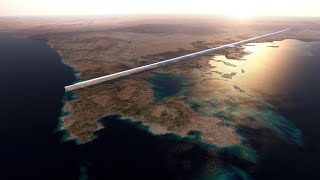
The concept of a Saudi 170 km city refers to the ambitious urban development known as The Line. Unveiled in 2021 as a centerpiece of the broader NEOM megaproject, The Line represents a radical departure from traditional urban planning. Instead of a sprawling circular city, Saudi Arabia proposed a linear metropolis designed to minimize the human footprint on nature while maximizing efficiency.
The Architectural Vision of The Line
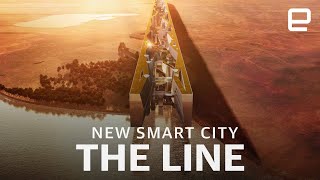
The Line is envisioned as a mirror-clad skyscraper stretching across the desert. The design specifications are staggering: a planned height of 500 meters and a width of just 200 meters. The goal is to house nine million people within a highly concentrated corridor, leaving the surrounding wilderness untouched.
Key features of the design include:
- Zero Cars: The city is designed to be car-free, eliminating traffic congestion and carbon emissions from personal vehicles.
- High-Speed Transit: A high-speed rail system is intended to connect the ends of the city, reducing travel time across the 170 km expanse to just 20 minutes.
- Vertical Urbanism: By layering homes, parks, and offices vertically, the city aims to ensure that all daily necessities are within a five-minute walk for every resident.
Engineering Challenges in the Desert
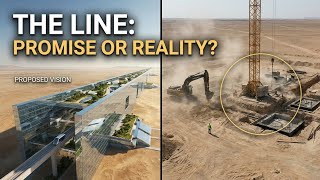
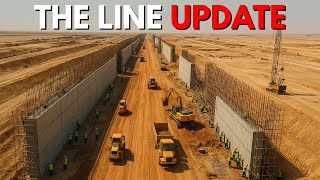
Building a city of this magnitude in a blistering, untouched desert presents unprecedented engineering hurdles. The project is widely regarded as one of the largest construction undertakings in human history. Carving a path through the rugged terrain requires massive excavation and the deployment of advanced robotics and AI-driven construction techniques.
The mirror-clad exterior is not merely aesthetic; it is intended to blend the structure into the landscape. However, critics and environmentalists have raised concerns regarding the impact of such a massive reflective surface on migratory bird patterns and the local ecosystem.
The Economic and Strategic Scale
The Line is part of Saudi Arabia's Vision 2030, a strategic framework aimed at diversifying the kingdom's economy away from oil dependence. By positioning NEOM as a global hub for innovation, biotechnology, and sustainable living, the government hopes to attract international investment and high-skilled talent.
The financial scale of the project is immense. With estimates suggesting costs in the trillions of dollars, it represents one of the most significant capital allocations in modern history. The project seeks to redefine how humans interact with their environment by replacing the traditional "grid" city with a "linear" model.
Debates Over Feasibility and Sustainability
While the vision is groundbreaking, the 170 km city has faced significant scrutiny. Skeptics point to the immense energy requirements needed to maintain climate control within a 500-meter-tall glass structure in one of the hottest regions on Earth.
Some analysts have questioned the logistical viability of the project, citing the sheer volume of materials required and the complexity of managing a population of nine million in a narrow corridor. Discussions have emerged regarding whether the project is an engineering marvel or a potential overreach in urban planning.
The Future of Linear Cities
Regardless of the final outcome, the pursuit of the Saudi 170 km city has sparked a global conversation about the future of urbanism. It challenges the status quo of urban sprawl and pushes the boundaries of Saudi engineering. If successful, The Line could serve as a blueprint for future sustainable cities worldwide; if it fails, it will remain a cautionary tale about the limits of mega-scale construction.
As construction progresses, the world continues to watch whether this mirror-clad vision will become a functional reality or remain a conceptual exercise in architectural ambition.