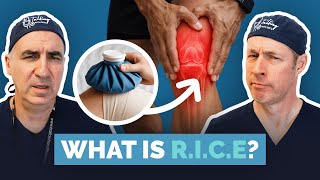
Rice Instructions For Injury: A Guide to Proper Recovery
Dealing with a sudden injury, such as an ankle sprain or a knee strain, can be overwhelming. Whether the injury occurred during a sports activity or a simple trip at home, the immediate steps you take can significantly influence your recovery time. One of the most widely recommended first-aid protocols for soft tissue injuries is the RICE method.
The RICE acronym stands for Rest, Ice, Compression, and Elevation. When performed correctly, these four steps work together to reduce inflammation, manage pain, and protect the injured area from further damage.
What Is the RICE Method?
The RICE method is a conservative treatment approach used to manage acute injuries. It is primarily designed to control swelling (edema) and minimize internal bleeding in the tissues. By limiting the flow of fluid to the injured site and stabilizing the joint, you create an environment that allows the body's natural healing process to begin more efficiently.
How to Correctly Perform RICE Instructions
To get the most benefit from this recovery method, it is important to follow specific guidelines for each step. Here is how to treat an injury using the RICE protocol:
1. Rest
Rest is the first and most critical step. Once an injury occurs, the natural instinct may be to "walk it off," but continuing to put weight or pressure on a sprained ankle or strained muscle can worsen the tear.
- Avoid activity: Stop the activity that caused the injury immediately.
- Limit weight-bearing: Use crutches or a brace if necessary to keep weight off the affected limb.
- Listen to your body: If a movement causes sharp pain, stop immediately.
2. Ice
Applying cold to the injury helps constrict blood vessels, which reduces swelling and numbs the area to provide pain relief. However, improper icing can lead to skin damage or frostbite.
- Use a barrier: Never apply ice or a chemical cold pack directly to the skin. Wrap the ice pack in a thin towel or cloth.
- Timing: Apply ice for 15 to 20 minutes at a time.
- Frequency: Repeat every 2 to 3 hours during the first 48 to 72 hours after the injury.
3. Compression
Compression involves wrapping the injured area with an elastic bandage to provide support and prevent the buildup of excess fluid.
- Wrap firmly, but not tightly: The bandage should feel snug but should not cut off circulation.
- Check for numbness: If you feel tingling, numbness, or if the skin below the wrap turns blue or cold, loosen the bandage immediately.
- Start from the bottom: When wrapping a limb, start furthest from the heart and wrap upward toward the body to help push fluid away from the injury.
4. Elevation
Elevation uses gravity to help drain fluid away from the injury site, which significantly reduces swelling and throbbing.
- Get high: Elevate the injured area above the level of your heart.
- Use pillows: For a knee or ankle injury, prop the limb up on several pillows while lying flat on your back.
- Consistency: Maintain elevation as often as possible during the first few days of recovery.
When to Seek Professional Help
While the RICE method is effective for mild to moderate sprains and strains, it is not a substitute for professional medical diagnosis. Certain injuries require more intensive interventions, such as casting, surgery, or specialized physical therapy.
You should contact a healthcare provider or a doctor of physical therapy if you experience the following:
- Inability to bear any weight on the limb.
- Severe joint instability or a feeling that the joint is "giving out