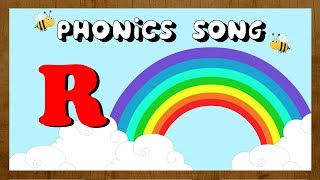
R For Rainbow: A Fun Guide to Phonics and Colors
Teaching children the alphabet is one of the most exciting milestones in early childhood education. When we say "R is for Rainbow," we are doing more than just teaching a letter; we are combining phonics, visual recognition, and color theory into one engaging lesson. By linking the letter "R" to a vibrant rainbow, children can better memorize the sound of the letter while exploring the natural world.
The Importance of Phonics in Early Learning
Phonics is the foundation of reading and writing. It involves teaching children the relationship between the letters of the written alphabet (graphemes) and the individual sounds (phonemes) they make. When children learn that the letter "R" makes a specific sound, they can begin to decode words independently.
Using a simple phonics song is one of the most effective ways to introduce these concepts. Music helps children retain information through rhythm and repetition. When a child sings along to a song featuring the letter "R," they are practicing their pronunciation and auditory processing skills simultaneously.
Why "R is for Rainbow" Works
Associating a letter with a concrete object is a technique known as mnemonics. Rainbows are ideal for the letter "R" for several reasons:
- Visual Appeal: The bright colors of a rainbow capture a child's attention immediately.
- Positive Association: Rainbows are generally viewed as happy and magical, creating a positive emotional connection to learning.
- Multidisciplinary Learning: Using a rainbow allows parents and teachers to pivot from phonics to a lesson on science and colors.
Exploring the Colors of the Rainbow
Once a child has mastered the "R" sound, you can expand the lesson by exploring the colors found within a rainbow. This encourages vocabulary growth and observation skills. A great way to do this is by following a guided journey, such as learning the colors of the rainbow with Sierra, which helps children name each hue in sequence.
The traditional sequence of colors in a rainbow includes:
- Red: The bold outermost arc.
- Orange: A bright, warm transition.
- Yellow: The color of the sun.
- Green: The color of nature and grass.
- Blue: The color of the clear sky.
- Indigo: A deep, dark blue-purple.
- Violet: The softest, innermost arc.
Fun Activities to Reinforce the Letter R
To ensure the lesson sticks, it is helpful to incorporate hands-on activities. Here are a few ways to have fun with the alphabet at home or in the classroom:
1. Rainbow Art Projects
Give children crayons, markers, or watercolors and ask them to draw a large rainbow. As they color each stripe, have them repeat the phrase, "R is for Rainbow," emphasizing the "R" sound. This reinforces the link between the visual image and the phonetic sound.
2. The "R" Scavenger Hunt
Challenge children to find objects around the house that start with the letter "R." Common items might include a rabbit toy, a rope, or a red apple. This encourages them to apply their phonics knowledge to the real world.
3. Singing and Dancing
Utilize educational videos and songs. Watching a dedicated ABC video where "R" is highlighted helps children see the letter in different fonts and hear it spoken by different voices. Subscribing to educational channels that upload weekly content ensures a steady stream of fresh material to keep the child engaged.
Tips for Parents and Educators
When teaching the letter "R," keep these tips in mind to make the process seamless:
- Be Patient: Some children pick up sounds faster than others