Boosting English Fluency with a Question Words Anchor Chart
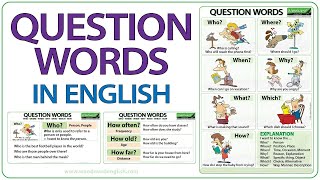
Teaching teens and younger learners how to ask clear, confident questions is a cornerstone of effective communication. The question words anchor chart—a visual display of the WH family (who, what, where, when, why, which, how)—offers a simple, reusable reference that supports both classroom instruction and independent study. By combining the anchor chart with engaging resources such as upbeat songs, short videos, and online practice sites, educators can create a dynamic learning environment that appeals to a wide range of learning styles.
Why Question Words Matter
Interrogative words are the keys that unlock information. Mastery of these words enables students to:
- Gather details for academic research or everyday conversations.
- Clarify instructions and avoid misunderstandings.
- Develop critical‑thinking skills by probing reasons and causes.
- Participate confidently in group discussions and presentations.
When learners understand the purpose of each word—who for people, what for objects or actions, where for places, when for time, why for reasons, which for choices, and how for methods—they can construct questions that are precise and purposeful.
Designing an Effective Anchor Chart
An anchor chart should be eye‑catching yet easy to read. Follow these steps to create a chart that stays on the wall and in students’ minds:
- Choose a layout. Arrange the WH words in a circle, a table, or a vertical list—whichever fits your classroom space.
- Use color coding. Assign a distinct color to each word or to groups (e.g., people, place, time, reason, choice, method).
- Add sample questions. Write one or two short examples beneath each word, such as “Who is your favorite author?” or “When does the school day start?”.
- Include visual cues. Small icons—like a clock for “when” or a map pin for “where”—help visual learners make connections.
- Invite student input. Let learners suggest their own examples and add them to the chart. This ownership boosts retention.
Once completed, place the chart at eye level where students can glance at it during reading, writing, or speaking activities.
Integrating Multimedia: Songs and Videos
Modern teens respond well to rhythm and visual media. An upbeat, modern song that repeats the WH words in a catchy chorus can reinforce the anchor chart’s content. Play the track at the start of a lesson, then ask students to clap along while they identify each question word.
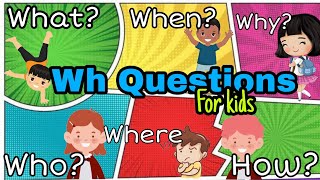
Short instructional videos also complement the chart. In a typical English grammar video for kids, the presenter:
- Introduces the WH family with bright graphics.
- Demonstrates how to form a question for each word.
- Provides a quick practice segment where viewers answer on‑screen prompts.
After watching, students can return to the anchor chart to verify their answers, creating a seamless loop between visual, auditory, and textual learning.
Practical Classroom Activities
Below are three activities that tie the anchor chart to real‑world practice:
- Question‑Swap. Pair students and give each a set of picture cards. One student asks a WH question based on the image; the partner answers, then they switch roles. The chart serves as a reminder of which word to use.
- Chart‑Based Journaling. Ask learners to write a short paragraph about their weekend, then underline every question word they used. They can refer to the anchor chart to check that they varied their questions.
- Digital Quiz. Direct students to free English language learning resources such as the British Council’s teen portal (http://www.britishcouncil.org/learnenglishteens). The site offers interactive quizzes that reinforce the same WH concepts displayed on the chart.
Supporting English Language Learners
For students whose first language is not English, the anchor chart offers a clear, language‑independent scaffold. By pairing each question word with a simple illustration, learners can associate meaning without relying solely on translation. Additionally, the chart can be printed in larger formats for visual‑impairment accommodations or laminated for durability during frequent handling.
Extending Learning Beyond the Classroom
Encourage students to take the anchor chart home. A portable version—perhaps a folded card or a printable PDF—allows teens to reference the WH words while texting friends, completing homework, or preparing for presentations. Pair this with the following after‑class resources:
- Watch additional grammar videos on the British Council website to see the WH words used in authentic conversations.
- Listen to the recommended upbeat song on a music streaming platform and practice singing the question words aloud.
- Complete online interactive exercises that ask “When… what… which… why?” to solidify understanding.
Measuring Success
Progress can be tracked through short formative assessments:
- Quick “exit tickets” where students write one question for each WH word.
- Observation checklists during group work, noting how often learners refer to the anchor chart.
- Digital quiz scores from the British Council resources, which provide instant feedback.
When students consistently produce varied, accurate questions, the anchor chart has fulfilled its purpose as a lasting reference tool.
Conclusion
The question words anchor chart is more than a decorative poster; it is a versatile teaching aid that bridges visual, auditory, and kinesthetic learning. By pairing the chart with an upbeat song, engaging video lessons, and reputable online practice sites, educators can create a comprehensive program that helps teens and younger learners ask clear, confident questions. Whether displayed on a classroom wall, printed for home use, or integrated into digital platforms, the anchor chart remains a reliable anchor for English fluency.