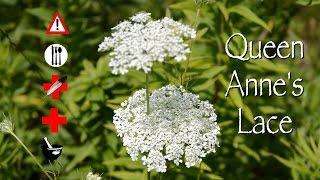
Understanding Queen Anne's Lace: Identification and Growth
Queen Anne's Lace (Daucus carota) is a widespread wild plant recognized for its delicate, white, umbrella-shaped flower clusters. While it is often viewed as a common wildflower or a stubborn weed in pastures, it is actually a wild relative of the domestic carrot. Understanding how to identify, grow, and utilize this plant requires careful attention to detail, as it shares a striking resemblance to several toxic species.
How to Identify Queen Anne's Lace
When foraging or gardening, it is critical to look carefully to be sure you have the right plant. Misidentification can be dangerous because Queen Anne's Lace looks very similar to Poison Hemlock and Giant Hogweed, both of which are highly toxic. To tell the difference between these species, examine the following features:
- The Stem: The stem of Queen Anne's Lace is typically hairy. In contrast, Poison Hemlock has a smooth, hairless stem often marked with purple splotches.
- The Flower Center: A key identifying marker for Daucus carota is a single, tiny dark red or purple flower located in the very center of the white lace-like cluster.
- The Foliage: The leaves are fern-like and finely divided. If you crush the leaves, they should smell similar to a carrot.
- The Growth Habit: The plant typically grows in a basal rosette during its first year and sends up its flowering stalk in the second year.
Always consult a professional botanist or a detailed field guide before consuming any wild plant.
Growing Queen Anne's Lace
Growing Queen Anne's Lace is relatively simple, as the plant is hardy and adaptable to various environments. Whether you are planting it for aesthetic purposes or to attract beneficial pollinators, follow these guidelines:
Soil and Sunlight
Queen Anne's Lace thrives in full sun and prefers well-draining soil. While it can grow in poor or sandy soils, it performs best in areas where water does not pool. It is frequently found in meadows, roadsides, and open fields.
Planting and Maintenance
- Sowing: Seeds can be sown directly into the ground in early spring or late autumn.
- Watering: Once established, the plant is drought-tolerant. Regular watering is only necessary during the initial germination phase.
- Spacing: Give the plants ample room to spread, as their root systems can be extensive.
The Ecological Role of the Plant
Beyond its appearance, Queen Anne's Lace plays a vital role in the ecosystem. It is a magnet for beneficial insects, including predatory wasps and hoverflies, which help control garden pests like aphids. By incorporating this plant into a landscape, gardeners can create a natural biological control system that reduces the need for chemical pesticides.
Edible and Medicinal Uses
Historically, Queen Anne's Lace has been used for both edible and medicinal purposes. The roots of the plant are edible and taste similar to a wild carrot, though they are generally smaller and more fibrous than store-bought varieties. The young leaves and flower heads can also be used in salads or teas.
Medicinally, various cultures have used the plant in poultices to treat skin irritations or as a digestive aid. However, because of the extreme risk of confusing it with Poison Hemlock, these uses should only be pursued by those with expert-level identification skills.
Summary Table for Quick Identification
To ensure safety, use this quick reference when comparing Queen Anne's Lace to its toxic look-alikes:
- Queen Anne's Lace: Hairy stem, carrot-like scent, central red flower.
- Poison Hemlock: Smooth stem, purple splotches, no central red flower.
- Giant Hogweed: Massive size,