The Queen and King of Spain: A Modern Era of Monarchy
The current monarchy of Spain is represented by King Felipe VI and Queen Letizia. Since ascending to the throne in 2014, the royal couple has worked to modernize the Spanish crown, focusing on transparency, diplomatic stability, and the promotion of Spanish culture and values on the global stage.
The Accession of King Felipe VI
King Felipe VI became the head of state on June 19, 2014, following the abdication of his father, King Juan Carlos I. The transition marked a significant shift in the Spanish monarchy. While the previous era was defined by the transition to democracy after the Franco regime, Felipe VI's reign has been characterized by a commitment to institutional integrity.
King Felipe was prepared for his role through extensive military training and a degree in law and international relations. His leadership style is often described as measured and diplomatic, aiming to maintain the unity of the Spanish state during periods of political volatility.
Queen Letizia: A New Perspective for the Crown
Queen Letizia brings a unique background to the royal house. Unlike many consorts, she did not come from a noble lineage. Before her marriage to then-Prince Felipe, she was a highly respected journalist and news anchor. This professional background has heavily influenced her role as Queen.
Queen Letizia is widely recognized for her focus on social issues, including mental health, education, and the fight against gender-based violence. Her transition from a journalist to a royal figure was a subject of intense public interest, symbolizing a move toward a more contemporary and accessible monarchy.
The Royal Wedding and Public Image
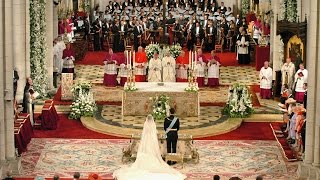
The union of Felipe and Letizia was a landmark event in Spanish society. The TVE 1 live broadcast of the royal wedding captured the attention of millions, showcasing a blend of traditional Spanish pomp and a modern romantic narrative. This event served as the public's first major introduction to Letizia as a future queen, highlighting her elegance and poise.
The couple's public image is built on a foundation of discipline and dedication. They are frequently seen attending state functions, supporting the arts, and engaging in diplomatic missions to strengthen Spain's ties with other nations.
Diplomatic Roles and International Relations
As the heads of state, the King and Queen of Spain play a crucial role in international diplomacy. Their visits to other nations are designed to foster economic cooperation and cultural exchange.
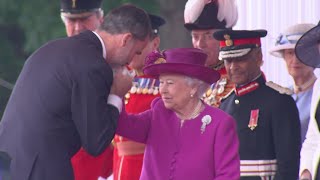
A notable example of their international engagement was Her Majesty’s State Banquet at Buckingham Palace in honor of Their Majesties King Felipe VI and Queen Letizia of Spain. Such events underscore the deep historical ties between the Spanish and British monarchies and reinforce the strategic partnership between the two European nations.
Challenges and the Modern Monarchy
Maintaining a monarchy in the 21st century involves navigating complex political landscapes. King Felipe VI has had to manage the legacy of his father while implementing stricter transparency measures within the Royal Household. By distancing the crown from past controversies, the King has sought to ensure the longevity of the institution.
The couple also manages the pressures of constant public scrutiny. From the "duel of" fashion critiques regarding the Queen's attire to the political tensions within Spain's autonomous regions, the royal couple maintains a stance of neutrality, acting as symbols of stability for the nation.
The Role of the Royal Family Today
Today, the Queen and King of Spain serve as the ultimate representatives of the country. Their duties include:
- Constitutional Duties: The King formally appoints the Prime Minister and signs legislation.
- Cultural Patronage: Supporting Spanish heritage and the promotion of the Spanish language worldwide.
- Social Advocacy: Leading initiatives that address poverty, health, and education through various royal foundations.
Through their combined efforts, King Felipe VI and Queen Letizia continue to redefine what it means to be royalty in a democratic society, balancing the weight of tradition with the demands