Understanding Prepositions Through Visual Learning
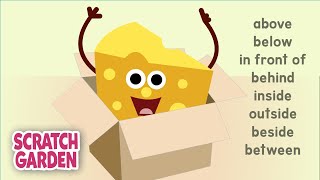
Prepositions are small but powerful words that help us describe relationships between nouns, pronouns, and other words in a sentence. Among the most common prepositions taught to English learners are in, on, under, next to, in front of, and between. These words may seem simple, but they play a critical role in helping speakers and writers communicate where things and people are located. A preposition image is a visual tool that reinforces this learning by showing exactly how these words function in real-world contexts.
What Is a Preposition Image?
A preposition image is a visual illustration or diagram designed to help learners understand how prepositions of place work. Rather than memorizing abstract definitions, students see objects placed in specific positions relative to one another. For example, a preposition image might show a cat sitting on a mat, a book resting under a table, or a ball positioned between two boxes. These visuals make the meaning of each word instantly clear, even for young children or beginner language learners.
Visual aids like preposition images are especially effective because they engage multiple learning pathways at once. When learners see an image paired with a spoken explanation, they process the information both visually and auditorily, which strengthens retention and comprehension.
Why Visual Learning Works for Prepositions
One of the biggest challenges in learning English prepositions is that many of them do not translate directly from other languages. The word for in in one language might also cover the meanings of on or at in another, making rote memorization frustrating and often ineffective.
Preposition images solve this problem by removing ambiguity. A clear picture shows exactly what next to means without needing a lengthy verbal explanation. Similarly, a diagram can distinguish between in front of and behind in a way that definitions alone cannot.
- Preposition images reduce confusion by providing concrete examples.
- They support auditory learners when paired with narrated educational videos.
- They help teachers save time by replacing long explanations with instant visual recognition.
Common Prepositions of Place
Below are some of the most essential prepositions used to describe location, along with descriptions of what typical preposition images look like for each one.
In
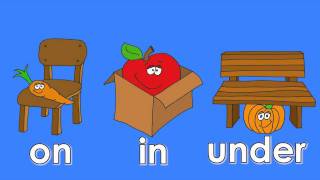
The preposition in describes something enclosed or surrounded by something else. A preposition image for in would typically show an object inside a container or space, such as a toy inside a box or water inside a glass.
On
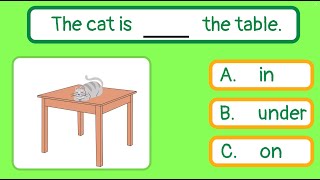
On indicates contact with a surface. A visual representation might display a cup sitting on a desk or a picture hanging on a wall. The key detail in these images is that the object touches the top surface of another object.
Under
The word under means below or beneath something. An effective preposition image could show a dog sleeping under a blanket or shoes placed under a bench. These visuals emphasize that one object is covered or sheltered by another.
Next To
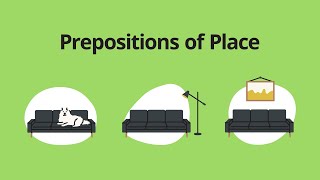
Next to describes something beside or adjacent to another object. A preposition image for this phrase might show a lamp standing next to a sofa or a tree growing next to a fence. The positioning makes it clear that the two objects are close but not touching in an enclosing way.
In Front Of
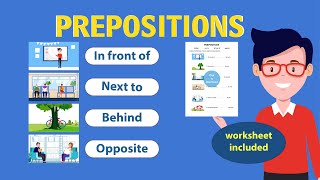
When something is in front of another object, it sits ahead of it from a particular viewpoint. A preposition image could depict a car parked in front of a house or a child standing in front of a classroom whiteboard. Direction matters in these illustrations, which is why pairing them with video instruction is so useful.
Between
Between refers to something situated in the middle of two or more other things. A classic preposition image for this word shows a book resting between two other books on a shelf. This visual makes the concept of being surrounded on two sides immediately obvious.
Using Preposition Images in the Classroom and at Home
Educators and parents can use preposition images in a variety of ways to support language development. Downloading or creating a free cheat sheet that pairs each preposition with a corresponding image gives students a quick reference they can revisit anytime. Teachers might project these images during group lessons, while parents can use them during everyday conversations at home.
Combining preposition images with daily listening practice also deepens understanding. Watching educational videos for kids that highlight words like in, on, under, next to, in front of, and between allows children to hear native pronunciation while connecting sounds to visuals. This dual approach builds both vocabulary and listening skills simultaneously.
Tips for Creating Effective Preposition Images
If you want to create your own preposition images, keep the following principles in mind:
- Keep scenes simple: Use only a few objects to avoid overwhelming the learner.
- Use bright colors: High contrast helps learners quickly identify the target object and its position.
- Show the relationship clearly: Make sure the spatial arrangement reflects the exact meaning of the preposition.
- Include labels: Adding text to the image reinforces reading alongside visual comprehension.
- Pair with audio when possible: Narrating the description while the image is displayed strengthens the overall learning experience.
Making the Most of Your Resources
Many free resources are available online for educators and parents looking to build a strong foundation in prepositions. Look for downloadable materials that include a collection of basic preposition images along with practice activities. Reviewing these tools regularly and using them across different lessons ensures that learners not only recognize the prepositions visually but also use them correctly in speech and writing.
Whether you are teaching children their first English prepositions or helping older students refine their grammar skills, incorporating preposition images into your routine is a proven strategy. The combination of clear visuals, repeated exposure, and active practice creates lasting understanding that goes far beyond memorization.
```