Creating Effective Posters On Ecosystems: A Comprehensive Guide
Posters on ecosystems serve as powerful visual tools for education, environmental awareness, and scientific communication. Whether you are a student working on a school project or an educator designing a classroom display, a well-structured ecosystem poster can simplify complex biological relationships and highlight the urgency of conservation.
What is an Ecosystem Poster?
An ecosystem poster is a visual representation of a biological community of interacting organisms and their physical environment. The goal of such a poster is to illustrate how biotic factors (living things like plants, animals, and fungi) and abiotic factors (non-living things like sunlight, soil, water, and temperature) work together to maintain a balanced environment.
Key Elements to Include in Your Ecosystem Poster
To make your poster informative and visually appealing, ensure you include the following core components:
- The Type of Ecosystem: Clearly label whether the poster depicts a terrestrial ecosystem (such as a rainforest, desert, or tundra) or an aquatic ecosystem (such as a coral reef, freshwater pond, or deep ocean).
- Food Chains and Food Webs: Use arrows to show the flow of energy. Start with producers (plants), move to primary consumers (herbivores), then to secondary and tertiary consumers (carnivores), and finally to decomposers (bacteria and fungi).
- Energy Source: Almost every ecosystem begins with the sun. Including a sun icon helps viewers understand where the initial energy for photosynthesis originates.
- Interdependence: Use labels or short captions to explain how different species rely on one another for survival, such as pollination or predator-prey relationships.
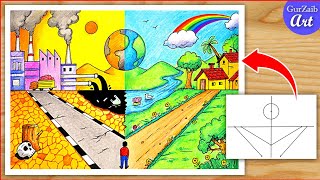
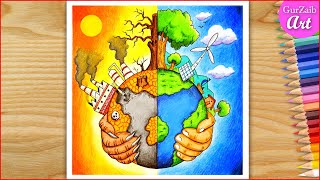
- Threats and Conservation: To add depth, include a section on human impact, such as deforestation or pollution, and suggest ways to protect the ecosystem.
Step-by-Step Guide to Drawing Your Ecosystem Poster
Creating a professional-looking poster does not require advanced artistic skills. By following a structured approach, beginners can create impactful visuals.
- Research and Planning: Before drawing, list the specific animals and plants native to your chosen ecosystem. For example, if drawing a savanna, include acacia trees, zebras, and lions.
- Sketching the Layout: Lightly pencil in your background first. Place your largest elements (like mountains or large trees) in the back and smaller details (like grass or insects) in the foreground to create a sense of depth.
- Adding the Biological Components: Draw your organisms. If you find drawing difficult, refer to Color Drawing Books or online tutorials designed for beginners to make the process easier. Following step-by-step guides can help you capture the correct proportions of animals and plants.
- Defining the Connections: Use bold lines or arrows to connect the organisms into a food web. Use different colors for different types of energy transfers to make the poster easier to read.
- Coloring and Finalizing: Use vibrant colors to distinguish between different zones of the ecosystem. Use greens for lush forests, yellows for deserts, and deep blues for oceans.
Tips for Maximum Visual Impact
To ensure your poster is SEO-friendly for a physical gallery or a digital portfolio, consider these design tips:
Use High Contrast: Ensure your text is legible. Use dark ink on light backgrounds or white ink on dark backgrounds. Strong headings help the viewer navigate the information quickly.
Balance Text and Imagery: Avoid overcrowding the poster with too much text. Use bullet points and short descriptions. Let the drawings do most of the explaining, and use the text to provide specific scientific names or data.
Incorporate Mixed Media: For physical posters, consider using 3D elements like dried leaves for a forest ecosystem or sand for a desert scene. This adds a tactile dimension that engages the viewer.