Understanding the Plant and Animal Cells Venn Diagram
In the study of biology, understanding the fundamental building blocks of life is essential. Both plants and animals are eukaryotic organisms, meaning their cells contain a defined nucleus and membrane-bound organelles. However, despite these similarities, their cellular structures differ significantly to support their unique ways of surviving and obtaining energy.
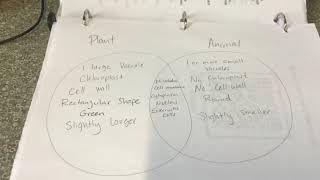
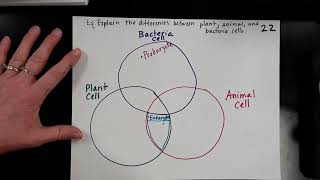
A plant and animal cells Venn diagram is one of the most effective educational tools for visualizing these differences. By placing unique traits in separate circles and shared characteristics in the overlapping center, students can quickly grasp the complexities of cellular biology.
Shared Characteristics: What Both Cells Have
When looking at the center of a plant/animal Venn diagram, you will find the organelles that are universal to most eukaryotic cells. These structures are critical for basic survival, growth, and reproduction.
- Nucleus: Often referred to as the control center, the nucleus houses the genetic material (DNA) and coordinates cell activities like growth and replication.
- Cell Membrane: A semi-permeable lipid bilayer that regulates what enters and exits the cell, maintaining internal homeostasis.
- Cytoplasm: The jelly-like substance that fills the cell and surrounds the organelles, providing a medium for chemical reactions.
- Mitochondria: Known as the powerhouse of the cell, mitochondria perform cellular respiration to convert nutrients into energy (ATP).
- Endoplasmic Reticulum (ER): A network of membranes involved in the synthesis of proteins (rough ER) and lipids (smooth ER).
- Golgi Apparatus: This organelle modifies, sorts, and packages proteins for secretion or delivery to other organelles.
- Ribosomes: Small structures responsible for protein synthesis.
Unique Features of Plant Cells
Plant cells have evolved specific structures that allow them to produce their own food and maintain a rigid shape without a skeleton. In a Venn diagram, these are placed in the section exclusive to plants.
The Cell Wall
Unlike animal cells, plant cells are encased in a rigid cell wall made primarily of cellulose. This provides structural support and protection, allowing plants to grow tall without the need for a bony skeleton.
Chloroplasts
Did you know that plants can create their own energy from sunlight? This is possible because of chloroplasts. These organelles contain chlorophyll, the green pigment that captures light energy to drive photosynthesis, converting carbon dioxide and water into glucose.
Large Central Vacuole
While some animal cells have small vacuoles, plant cells feature one massive central vacuole. This organelle stores water, nutrients, and waste. When filled, it creates turgor pressure, which keeps the plant upright and prevents wilting.
Unique Features of Animal Cells
Animal cells are more flexible and diverse in shape because they lack a rigid cell wall. Their unique organelles reflect their need for mobility and complex intracellular digestion.
Centrioles and Centrosomes
Animal cells contain centrioles, which are cylinder-shaped structures that play a critical role in organizing microtubule assembly during cell division (mitosis). While some lower plant forms have similar structures, they are a hallmark of animal cell biology.
Lysosomes
Although some plant cells have vacuole-based degradation, animal cells rely heavily on lysosomes. These are spheres filled with digestive enzymes that break down waste materials, cellular debris, and foreign invaders like bacteria.
Cilia and Flagella
While some plant sperm cells have flagella, these hair-like projections are far more common in animal cells, where they are used for movement or for sensing the environment.
How to Use a Venn Diagram for Study
If you are preparing for a biology exam, using a plant and animal cells Venn diagram can streamline your revision. Follow these steps to maximize its utility:
- Draw two overlapping circles: Label one "Plant" and the other "Animal."
- List the "Must-