Understanding Biological Structures: The Plant and Animal Cell Venn Diagram
Biology is the study of life, and at the heart of every living organism lies the cell. Whether you are reviewing a 3rd grade science lesson or preparing for advanced biological studies, understanding the fundamental building blocks of life is essential. A Plant and Animal Cell Venn Diagram is one of the most effective visual tools for comparing these two complex structures. By categorizing shared organelles and unique features, students can easily visualize the biological architecture that distinguishes flora from fauna.
What is a Plant and Animal Cell Venn Diagram?
A Venn diagram uses overlapping circles to illustrate logical relationships between two or more sets. In this context, one circle represents the animal cell, while the other represents the plant cell. The space where the circles overlap contains the structures found in both, while the outer, non-overlapping sections highlight the unique organelles specific to each cell type. This comparative method simplifies complex cellular biology into a clear, digestible format.
Shared Organelles: The Foundation of Life
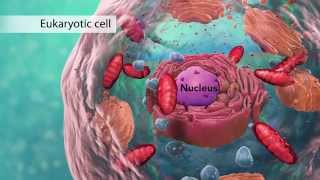
Both plant and animal cells are eukaryotic, meaning they contain a defined nucleus and membrane-bound organelles. When you create a Venn diagram, you will find several key components in the center, shared by both types:
- Nucleus: Often called the control center, the nucleus houses the genetic material (DNA) and coordinates cell activities like growth and reproduction.
- Cell Membrane: This thin, flexible barrier surrounds the cell, controlling the movement of substances in and out.
- Cytoplasm: A jelly-like substance that fills the cell and surrounds the organelles, providing a medium for chemical reactions.
- Mitochondria: Known as the powerhouse of the cell, these organelles convert nutrients into energy through cellular respiration.
- Ribosomes: Small structures responsible for protein synthesis.
- Endoplasmic Reticulum (ER) and Golgi Apparatus: These systems are involved in the production, processing, and packaging of proteins and lipids.
Now Let's Get to the Differences Between Plant and Animal Cells
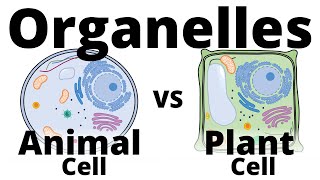
While the similarities are significant, the differences are what allow plants and animals to survive in their respective environments. Plants are stationary and must produce their own food, while animals are mobile and must consume organic matter. These distinct lifestyles are reflected in their cellular structure.
Unique Features of Plant Cells
Plant cells are designed for structural support and photosynthesis. When filling out your diagram, you should include these specific features in the plant-only section:
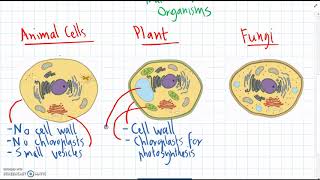
- Cell Wall: A rigid outer layer made of cellulose that provides structural support and protection, allowing plants to grow tall without a skeleton.
- Chloroplasts: These contain chlorophyll, the pigment that captures sunlight to perform photosynthesis, converting light energy into chemical energy.
- Large Central Vacuole: While animal cells may have small vacuoles, plant cells feature one large, central vacuole that maintains turgor pressure, keeping the plant upright and storing nutrients or waste.
Unique Features of Animal Cells
Animal cells prioritize flexibility and movement. Their structure is optimized to support mobility and complex tissue systems:
- Centrioles: These structures assist in cell division, helping to organize the microtubule assembly. They are typically absent in higher plant cells.
- Lysosomes: While debated in some botanical circles, lysosomes are primary features in animal cells, acting as the waste disposal system by breaking down excess or worn-out cell parts.
- Cilia and Flagella: Many animal cells possess these hair-like projections for movement, a feature rarely found in plant cells.
How to Use the Venn Diagram for Study
To maximize your learning, start by drawing two large circles on a piece of paper. Label one "Plant Cell" and the other "Animal Cell." Begin by listing the organelles found in both in the center intersection. Once that is complete, move to the outer sections to note the specialized structures. This method is an excellent way to prepare