What Is a Place Value Chart?
Understanding place value is one of the first steps toward becoming confident with numbers. A place value chart is a visual tool that shows the value of each digit in a number based on its position. By lining up digits under headings such as ones, tens, hundreds, and thousands, students can see how each digit contributes to the overall value.
Why Students Need a Place Value Chart
When a student looks at a random number, the chart helps answer the question, “What does each digit really mean?” This clarity is essential for:
- Reading and writing numbers correctly.
- Performing addition, subtraction, multiplication, and division.
- Developing a solid foundation for later topics like decimals and fractions.
Components of a Standard Chart
A typical chart for elementary learners includes the following columns, listed from right to left:
- Ones (Units)
- Tens
- Hundreds
- Thousands
- Ten‑Thousands
- Hundred‑Thousands
- Millions
Teachers can extend the chart further when students reach higher grades, but for 3rd‑ and 4th‑grade classrooms the first four columns are usually enough.
How to Use the Chart: Step‑by‑Step
1. Write the Number in the Correct Columns
Start by placing each digit under the appropriate heading. If a place is empty, write a zero or leave the space blank.
2. Identify the Value of Each Digit
Multiply the digit by the value of its column. For example, in the number 4,562:
- 4 is in the thousands place → 4 × 1,000 = 4,000
- 5 is in the hundreds place → 5 × 100 = 500
- 6 is in the tens place → 6 × 10 = 60
- 2 is in the ones place → 2 × 1 = 2
3. Read the Number Aloud
Combine the values from left to right: “Four thousand five hundred sixty‑two.” Practicing this aloud reinforces the connection between the visual chart and spoken language.
Classroom Activities That Reinforce Place Value
Interactive worksheets, games, and videos make the concept stick. Below are a few proven ideas:
- Place Value Bingo: Create bingo cards with numbers and call out values (e.g., “the number with 300 in the hundreds place”).
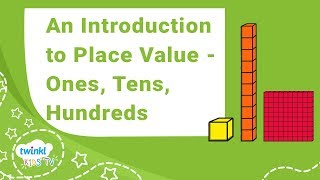
- Base‑Ten Blocks: Use physical blocks to model ones, tens rods, and hundreds squares, then transfer the model onto a chart.
- Online Videos: Websites such as Math Antics offer free videos that explain ones, tens, hundreds, and thousands in a fun, animated format.
- Numberock Resources: Numberock provides catchy songs and printable worksheets that align with the chart, especially useful for 3rd‑ and 4th‑grade teachers.
Practice Questions for Independent Study
Encourage students to complete short drills after watching a video or completing a worksheet. Sample questions include:
- Write the number 7,204 on a place value chart and state the value of each digit.
- What digit is in the tens place of 3,589?
- If you add 1,000 to 4,876, what does the new thousands digit become?
- Break down 2,031,456 into millions, hundred‑thousands, ten‑thousands, thousands, hundreds, tens, and ones.
Answers can be checked using a chart or an online quiz that provides instant feedback.
Tips for Parents and Tutors
- Start Small: Begin with two‑digit numbers, then gradually add more columns as confidence grows.
- Use Real‑World Examples: Ask children to read the price on a grocery item or the mileage on a car odometer using the chart.
- Make It Visual: Color‑code each column (e.g., blue for ones, green for tens) to help visual learners.
- Revisit Frequently: Short, daily practice sessions are more effective than one long session.
Where to Find More Resources
For additional videos, printable worksheets, and interactive quizzes, explore these trusted sites:
- Math Antics – Free math videos covering place value from ones to millions.
- Numberock – Fun songs and downloadable activities designed for 3rd‑ and 4th‑grade classrooms.
- Teacher‑focused portals often offer a free month of access to premium resources, allowing educators to test materials before committing.
Conclusion
A place value chart is more than a classroom poster; it is a powerful learning tool that turns abstract numbers into concrete, understandable pieces. By regularly using the chart, watching supportive videos, and completing targeted practice, students master the language of numbers—from ones to millions. This mastery not only improves arithmetic fluency but also builds confidence for all future math challenges.