Place Value Chart For 2nd Graders: A Complete Guide
Understanding place value is one of the most important milestones in 2nd Grade math. A well‑designed place value chart helps children see how each digit contributes to the overall number, turning abstract concepts into concrete visual tools. This article walks teachers, parents, and students through everything they need to know about using a place value chart, from basic terminology to engaging classroom activities.
Why a Place Value Chart Matters
Learning how to write numbers with a place value chart gives 2nd graders a clear picture of the relationship between ones, tens, hundreds, and thousands. When children can physically move counters or place digits in the correct column, they develop:
- Number sense – recognizing that 300 is three hundreds, not three tens.
- Problem‑solving confidence – breaking larger numbers into manageable parts.
- Communication skills – using a shared language (“four hundreds and two tens”) when discussing math.
Components of a Standard Place Value Chart
A typical chart for 2nd graders includes four columns:
- Ones – the right‑most column, representing single units.
- Tens – each block in this column equals ten ones.
- Hundreds – each block equals one hundred ones.
- Thousands – each block equals one thousand ones (introduced as a preview for later grades).
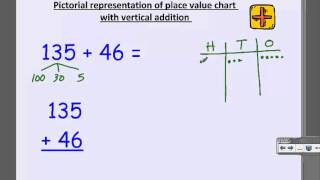
It describes using a simple grid that can be drawn on paper, printed on a worksheet, or displayed on a classroom whiteboard. The chart may also include a “blank” row for students to write the expanded form of a number (e.g., 4,532 = 4 000 + 5 00 + 3 0 + 2).
Step‑by‑Step: How to Use the Chart in Class
1. Introduce the Columns
Begin with a short explanation: “Today we will learn about ones, tens, hundreds, and thousands.” Show a large chart and point to each column, emphasizing the base‑10 relationship.
2. Model a Number
Write a number such as 276 on the board. Then, place a 2 in the hundreds column, a 7 in the tens column, and a 6 in the ones column. Say the number aloud: “Two hundred seventy‑six.”
3. Guided Practice
Give each student a worksheet with a blank chart. Call out numbers and ask them to fill in the correct digits. Encourage them to say the expanded form aloud (“Two hundred + seven tens + six ones”).
4. Independent Work
Provide a set of mixed‑level problems. Some may ask students to write the number that matches a given chart; others may ask them to draw the chart for a written number. This reinforces both reading and writing skills.
5. Review and Reflect
End the lesson with a quick “exit ticket”: ask each child to write one number on a sticky note and label its place values. Collect the notes to gauge understanding.
Fun Activities That Reinforce Place Value
Check out the new resources on our website for hands‑on practice. Below are a few ideas that keep learning lively:
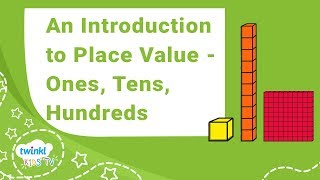
- Base‑10 Blocks – Let students build numbers using unit cubes, rods (tens), and flats (hundreds). Then transfer the configuration onto the chart.
- Place Value Bingo – Create bingo cards with numbers in expanded form. Call out a digit and its place (e.g., “four hundreds”), and students cover the matching number.
- Digital Quizzes – If you liked the video, you’ll love our other fun worksheets, activities, and quizzes that go along with the video at your‑site.com. Interactive quizzes give instant feedback on digit placement.
- Story Problems – Write short scenarios (“Sam has 3 hundred‑dollar bills and 5 ten‑dollar bills”). Students draw the chart to solve the problem.
Extending the Concept: Introducing Thousands
Although the primary focus for 2nd graders is ones, tens, and hundreds, a brief introduction to thousands prepares them for future lessons. Use a larger chart with an extra column and a simple example like 1,234. Emphasize that the “1” in the thousands column means “one thousand,” not “one hundred.” This gentle exposure builds confidence for later grades.
Tips for Parents Supporting Place Value at Home
Parents can reinforce classroom learning with everyday activities:
- Grocery Shopping – Ask your child to read the price of an item and identify the tens and ones (e.g., $4.27 → four dollars and twenty‑seven cents).
- Money Play – Use real coins and bills to create amounts, then write the number on a place value chart.
- Number Hunt – Have a “place value scavenger hunt” where the child finds numbers around the house and records their expanded forms.
Conclusion
A place value chart for 2nd graders is more than a worksheet; it is a visual language that turns abstract numbers into understandable parts. By consistently using the chart, providing engaging activities, and connecting math to real‑world situations, teachers and parents can help children master ones, tens, hundreds, and even thousands. The result is a solid foundation for all future math learning.