Mastering the Phases of the Moon in Spanish
Exploring the mysteries of outer space is a captivating way for students to engage with a new language. Learning the phases of the moon in Spanish (las fases de la luna) combines science and linguistics, making it an ideal topic for elementary students and language learners alike. Whether students are practicing in the classroom or learning at home, understanding these celestial patterns helps them describe the natural world in both English and Spanish.
Why Learn Astronomy Terms in Spanish?
Integrating science with language learning, often referred to as CLIL (Content and Language Integrated Learning), enhances cognitive development. By learning about la luna (the moon), students move beyond basic vocabulary and begin to use descriptive adjectives and sequence markers. This approach makes the language feel functional and relevant to the real world.
Key Vocabulary: The Moon and Beyond
Before diving into the specific phases, it is important to establish the foundational vocabulary associated with the night sky:
- El espacio – Space
- El universo – The universe
- La luna – The moon
- El sol – The sun
- La tierra – The earth
- Una estrella – A star
- El cielo – The sky
The Four Primary Phases of the Moon in Spanish
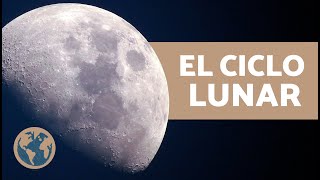
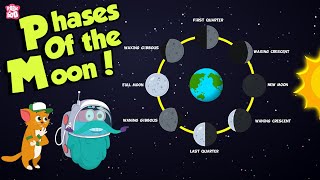
The moon goes through a cycle approximately every 29.5 days. In Spanish, these stages are categorized by how much of the moon's surface is illuminated by the sun. Here are the primary phases you need to know:
1. Luna Nueva (New Moon)
The cycle begins with the Luna Nueva. During this phase, the moon is positioned between the Earth and the sun, meaning the side facing us is in total darkness. In a Spanish classroom, this is a great time to discuss the concept of oscuridad (darkness).
2. Cuarto Creciente (First Quarter)
As the moon moves in its orbit, a small sliver of light becomes visible. This is known as the Cuarto Creciente. The term creciente comes from the verb crecer (to grow), which helps students remember that the visible portion of the moon is increasing in size.
3. Luna Llena (Full Moon)
When the Earth is positioned between the sun and the moon, the entire side facing us is illuminated. This is the Luna Llena. This phase is often the most recognizable and is a favorite for students to identify during nighttime observations.
4. Cuarto Menguante (Third/Last Quarter)
Finally, the illuminated portion begins to shrink. This is called the Cuarto Menguante. The word menguante refers to the act of diminishing or decreasing, providing a perfect linguistic opposite to creciente.
Teaching Tips for Educators and Parents
Teaching the phases of the moon to children, such as a 7-year-old beginner, requires visual aids and interactive activities. To make the lesson "blast off," consider the following strategies:
- Visual Mapping: Create a chart where students draw the moon's shape and label it with the Spanish term.
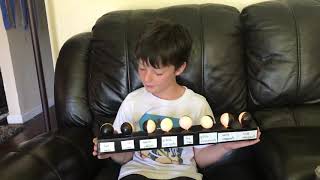
- The Oreo Activity: Use cream-filled cookies to represent the moon. Students can scrape away the cream to mimic the Luna Nueva, Cuarto Creciente, Luna Llena, and Cuarto Menguante.
- Moon Journaling: Encourage students to look at the sky every night for a month and record what they see using the phrase: "Hoy la luna es..." (Today the moon is...).
- Multimedia Integration: Utilize educational videos and songs to reinforce pronunciation and memory.