Mastering Persuasive Writing Transition Words
Persuasive writing is the art of convincing a reader to adopt a specific point of view or take a particular action. While strong evidence and logical reasoning are the foundation of any argument, the way those ideas are connected determines whether the reader follows your logic or becomes lost in the text. This is where persuasive writing transition words become essential.
Transitional words and phrases act as bridges between sentences and paragraphs. Without them, writing often feels choppy, disjointed, and difficult to navigate. When used correctly, these words create a clear flow, guiding the reader seamlessly from one claim to the next.
Why Transitions Matter in Persuasive Essays
In a persuasive piece, you are not just presenting facts; you are building a case. To do this effectively, you must establish a logical progression of thoughts. Transition words signal to the reader how the current piece of information relates to what came before it. They answer the unspoken question: "Why am I being told this now?"
Effective transitions serve three primary purposes in persuasive writing:
- Establishing Logic: They show cause-and-effect relationships.
- Creating Contrast: They highlight the flaws in an opposing argument while strengthening your own.
- Building Momentum: They signal that the argument is reaching a conclusion or a climax.
Essential Categories of Transition Words
Depending on the goal of your paragraph, you will need different types of transitional phrases. Using a variety of these words prevents your writing from becoming repetitive and keeps the reader engaged.
1. Addition and Reinforcement
When you have provided one strong point and want to add another to strengthen your position, use addition transitions. These tell the reader that the evidence is mounting in your favor.
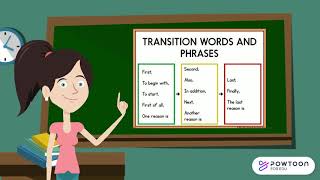
- Furthermore: Used to introduce a new, often more important, point.
- Moreover: Similar to furthermore, used to add a layer of complexity to an argument.
- In addition: A standard way to provide extra supporting evidence.
- Additionally: Helps in listing multiple reasons why a claim is true.
2. Contrast and Contradiction
Persuasive writing often requires addressing a counterargument. To pivot from an opposing view back to your own, you need contrast transitions. These are critical for demonstrating why your position is the superior one.
- However: The most common way to introduce a contrasting idea.
- Conversely: Used when presenting a direct opposite to the previous statement.
- Nevertheless: Indicates that despite a certain fact, your main point still stands.
- On the other hand: Useful for weighing two different perspectives before choosing one.
3. Cause, Effect, and Conclusion
The goal of persuasion is to lead the reader to a logical conclusion. Transitions of result show the direct consequence of the evidence you have presented.
- Therefore: Signals that a conclusion is being drawn based on the evidence.
- Consequently: Highlights the direct result of a specific action or event.
- As a result: Clearly links a cause to its effect.
- Thus: A formal way to wrap up a logical sequence.
How to Implement Transitions Naturally
While transition words are powerful, overusing them can make writing feel artificial or "formulaic." To maintain a natural tone, follow these guidelines:
- Vary the Placement: Do not start every single sentence with a transition word. Occasionally place them in the middle of a sentence to create a more sophisticated rhythm.
- Check for Logic: Ensure the transition word actually matches the relationship between the ideas. Using "furthermore" when you actually mean "however" will confuse the reader and weaken your argument.
- Read Aloud: Reading