How to Create an Effective Perspective Anchor Chart for Your Classroom
In the English Language Arts (ELA) classroom, helping students distinguish between point of view and perspective is a common challenge. While these terms are often used interchangeably, they represent different analytical lenses. A perspective anchor chart serves as a permanent visual reference, providing students with a short version of notes they can review during independent reading or writing exercises.
Understanding the Difference: Point of View vs. Perspective
Before designing your chart, it is essential to define the core concepts for your students. Confusing these two elements can lead to errors in literary analysis.
What is Point of View?
Point of view (POV) refers to the narrator's position in relation to the story. It is the "who" is telling the story. Common categories include:
- First Person: The narrator is a character in the story (uses "I," "me," "my").
- Second Person: The narrator speaks directly to the reader (uses "you").
- Third Person Limited: The narrator is outside the story but knows the thoughts of one character.
- Third Person Omniscient: The narrator is all-knowing and sees the thoughts of all characters.
What is Perspective?
Perspective is the "how" and "why" behind the narration. It is the unique way a character sees the world, shaped by their background, culture, experiences, and emotions. Two characters in the same story can share the same point of view (both are first-person narrators) but have entirely different perspectives based on their life experiences.
Designing Your Perspective Anchor Chart
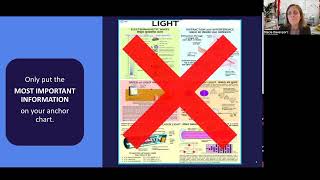
When making an anchor chart, the goal is clarity and accessibility. Since these are often hanging on classroom walls, they must be legible from a distance and organized logically.
Essential Elements to Include
- Clear Headings: Use a bold title like "Perspective vs. Point of View" to immediately signal the topic.
- Visual Cues: Use icons, such as an eye to represent perspective or a speech bubble to represent point of view.
- Comparison T-Chart: Divide the chart into two columns. On one side, list the technical aspects of POV; on the other, list the subjective elements of perspective.
- Guided Questions: Include "Ask Yourself" prompts to help students analyze a text. For perspective, prompts might include: "How does this character's history affect their opinion?" or "What does this character value most?"
Integrating Anchor Charts into Modern Learning
The role of the anchor chart has evolved. While traditional paper charts are staples of the physical classroom, the shift toward digital learning has expanded how we deliver these resources.
During the pandemic, many educators began utilizing online text platforms and apps as an asynchronous way to listen to students and provide feedback. This shift highlighted the need for digital versions of anchor charts. By uploading a photo or a digital graphic of your perspective chart to a Learning Management System (LMS), students can reference the material regardless of where they are learning.
Tips for Digital Implementation
- PDF Downloads: Provide a downloadable version of the chart for students to keep in their digital notebooks.
- Interactive Slides: Create a slide deck where students must match a character's perspective to a specific quote from a text.
- Collaborative Boards: Use digital whiteboards to let students add their own examples of perspective from the books they are currently reading.
Why Anchor Charts Work for Student Retention
Anchor charts are more than just decorations; they are cognitive scaffolds. By providing a condensed version of complex notes, they reduce the cognitive load on students. Instead of spending mental energy trying to remember the definition of "omniscient," students can glance at the chart and spend their energy on the actual analysis of the text.