The Doolittle Raid: Retaliation After Pearl Harbor
The attack on Pearl Harbor on December 7, 1941, brought the United States into the Second World War with a sudden and devastating impact. While the American Pacific Fleet lay in ruins, the nation sought a way to strike back at the heart of the Japanese Empire. The result was the Doolittle Raid, a bold and unprecedented military operation that served as the first direct American air attack on the Japanese home islands.
The Strategic Necessity of the Mission
Following the chaos at Pearl Harbor, the American public and military leadership demanded a swift response. President Franklin D. Roosevelt sought a mission that would not only damage Japanese morale but also bolster American confidence. The plan, masterminded by Lieutenant Colonel James "Jimmy" Doolittle, involved launching land-based B-25 Mitchell bombers from the deck of an aircraft carrier—a feat that had never before been attempted in combat.
The mission required extreme precision. Army pilots had to be trained to take off from a short carrier deck, a task usually reserved for lighter, carrier-capable aircraft. The success of the mission relied on secrecy and the element of surprise, as the task force needed to get close enough to Japan to launch the bombers while keeping the ships safe from detection.
The Turning Point: Discovery and Early Launch
The operation faced a critical juncture when the American task force, led by the USS Hornet, was spotted by a Japanese patrol boat. Upon realizing the carrier had been compromised, the order was given for the Army pilots to man their aircraft immediately. Although they were still hundreds of miles further from their target than originally planned, the decision was made to launch the mission prematurely to ensure the fleet avoided destruction.
On April 18, 1942, sixteen B-25 bombers took flight into the unknown. The pilots knew they were embarking on a one-way mission, as the bombers were too large to land back on the carrier. Their objective was to strike military and industrial targets in Tokyo, Yokohama, Yokosuka, Nagoya, and Kobe, before attempting to fly to friendly airfields in China.
The Impact of the Doolittle Raid
While the physical damage inflicted on Japan during the raid was relatively minor in the grand scope of the war, the psychological impact was profound. The Japanese leadership, having told their people that the home islands were invulnerable to attack, were forced to reckon with the reality that American bombers could penetrate their defenses. This forced the Japanese military to divert significant resources to home defense, which inadvertently weakened their position in other theaters of the Pacific war.
For the American people, the news of the raid provided a much-needed morale boost. It proved that the United States was capable of taking the fight to the enemy, effectively shifting the narrative from the defensive posture adopted after the tragedy at Pearl Harbor.
Historical Legacy and Media Representation
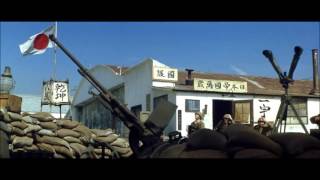
The events surrounding the attack on Pearl Harbor and the subsequent Doolittle Raid have been immortalized in various forms of media. The narrative of resilience and retaliation is a staple of historical storytelling. The 2001 film Pearl Harbor, directed by Michael Bay, brought the drama of these events to a global audience, highlighting the tension and courage of the men involved in the Pacific theater.
For those interested in the raw, historical reality of these operations, modern technology has allowed for the preservation of original archival footage. High-definition transfers of original military newsreels provide an authentic glimpse into the era. Unlike upconverted footage, true HD transfers preserve the integrity of the original film, offering a clear and accurate look at the aircraft, carriers, and personnel that defined this pivotal moment in military history.
Lessons from the Operation
- Innovation under pressure: The Doolittle Raid demonstrated the effectiveness of unconventional tactics when traditional methods are compromised.
- Calculated risk: The decision to launch early, despite the increased danger to the crews, was a gamble that ultimately secured the mission's success.
- Psychological warfare:


![Pearl Harbor | Doolittle Raid [2001]](https://i.ytimg.com/vi/LSYJ2GubJJE/mqdefault.jpg)


