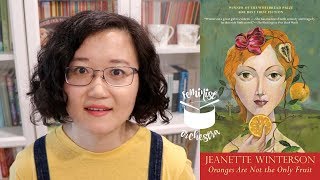
Oranges Are Not The Only Fruit Book Club Questions
Jeanette Winterson's Oranges Are Not The Only Fruit (1985) remains one of the most discussed debut novels in contemporary British literature. Blending semi-autobiographical storytelling with biblical retelling, the book invites readers to examine faith, identity, love, and rebellion. Whether your group has just finished watching a book review or is meeting for the first time to discuss, these questions are designed to spark thoughtful conversation.
Plot and Structure
- The novel alternates between Jeanette's real life and her retellings of biblical stories. How does this dual structure shape your understanding of her experiences?
- Why do you think Winterson chose to interweave scripture with a coming-of-age narrative?
- The book ends with Jeanette leaving home. Was this ending satisfying to you? Why or why not?
- How does the nonlinear, episodic structure affect the emotional impact of the story?
Religion and Faith
- What role does religion play in the novel? Discuss how the mother's Pentecostal beliefs influence every aspect of Jeanette's life.
- How does Winterson portray the relationship between religious dogma and personal truth?
- Is the novel anti-religious, or does it offer a more nuanced critique? Support your answer with examples from the text.
- How do the biblical parallels reinforce or challenge the religious themes in Jeanette's story?
Identity and Self-Discovery
- How does Jeanette construct her sense of self throughout the novel?
- In what ways does sexuality function as both a source of conflict and a path to liberation?
- Consider the title: Oranges Are Not The Only Fruit. What does this metaphor suggest about identity, choice, and possibility?
- How does Jeanette's relationship with her own body and desires evolve from childhood to adulthood?
Family and Motherhood
- Discuss the mother-daughter relationship. Is the mother entirely antagonistic, or is there complexity in her character?
- How does the novel portray the expectations placed on daughters within strict religious households?
- The mother's adoption of Jeanette is explored through flashbacks. What significance does this hold?
- How might the novel change if told from the mother's perspective?
Narrative Voice and Style
- Winterson's prose is lyrical, sharp, and often darkly humorous. Which passages stood out to you, and why?
- How does the narrator's voice shift between sections of the novel?
- The novel includes surreal and fantastical elements. How do these moments contribute to the overall meaning?
- Would you describe this as a memoir, a novel, or something else entirely? What genre does it seem to occupy?
Queer Themes and Representation
- How does the novel handle queer identity? Consider both the personal and societal dimensions.
- Rosa is described as "an alien, a foreign body." What does this tell us about how queer desire was understood at the time?
- How relevant is the novel's exploration of homosexuality today? Has society moved beyond the conflicts Jeanette faces?
- Discuss the scene in which Jeanette's sexuality is discovered during an attempt to expose a supposed affair. What does this reveal about prejudice and projection?
Broad Discussion Questions
- If you could ask Jeanette one question, what would it be?
- Which character did you connect with the most, and why?
- Did your opinion of the novel change as you read further into it?
- How does this book compare to other coming-of-age stories you have read?
- Would you recommend this book to others? Who do you think would enjoy it most?
Further Exploration
For additional context, consider exploring interviews with Jeanette Winterson about the autobiographical elements of the novel. Her reflections on growing up in a religious community and coming to terms with her sexuality add rich depth to the reading experience. If your club enjoyed this book, Winterson's later works such as Sexing the Cherry and Written on the Body offer further exploration of identity, desire, and storytelling.
Happy reading and happy discussing! May your conversations be as vibrant and layered as the novel itself.
```
![Jeanette Winterson - Oranges Are Not the Only Fruit [REVIEW/DISCUSSION]](https://i.ytimg.com/vi/gt6ePWQc5hg/mqdefault.jpg)