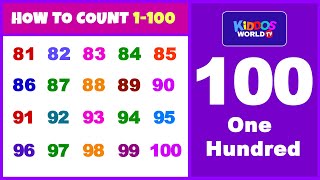
Understanding the Numbers In Word Form Chart
Mastering the ability to translate digits into written language is a fundamental skill in mathematics and literacy. Whether you are working on #mathhomeworkhelp or drafting a formal legal document, knowing how to use a numbers in word form chart ensures accuracy and professional clarity. In English, writing numbers involves understanding specific rules of grammar, place value, and categorization.
Cardinal vs. Ordinal Numbers
Before diving into the charts, it is essential to distinguish between the two primary types of number words used in English:
- Cardinal Numbers: These are used for counting and indicate quantity. Examples include one, ten, fifty, and one hundred.
- Ordinal Numbers: These indicate position or order in a sequence. Examples include first, second, tenth, and one hundredth.
Number Names Chart: 1 to 20
For students beginning their mathematical journey, the first milestone is mastering the basic number names chart from 1 to 20. These serve as the building blocks for all larger numbers.
- One
- Two
- Three
- Four
- Five
- Six
- Seven
- Eight
- Nine
- Ten
- Eleven
- Twelve
- Thirteen
- Fourteen
- Fifteen
- Sixteen
- Seventeen
- Eighteen
- Nineteen
- Twenty
Writing Tens and Larger Numbers
Once the numbers 1 through 20 are mastered, writing larger numbers becomes a matter of combining patterns. The "tens" follow a predictable structure ending in "-ty."
- 30: Thirty
- 40: Forty (Note: there is no "u" in forty)
- 50: Fifty
- 60: Sixty
- 70: Seventy
- 80: Eighty
- 90: Ninety
When writing compound numbers between 21 and 99, always use a hyphen to connect the tens place to the ones place. For example, 42 is written as forty-two and 75 is written as seventy-five.
The International Place-Value Chart
Do you need to learn how to write large numbers? The key lies in the International Place-Value Chart. Unlike some regional systems that use lakhs or crores, the international system groups numbers in threes (thousands, millions, billions).
How to Write Large Numbers in Word Form
To convert a large digit into word form, follow these steps:
- Group the digits: Separate the number into periods of three using commas (e.g., 1,234,567).
- Identify the period: Determine if the group belongs to the millions, thousands, or ones period.
- Write the number within the period: Write the three-digit number as you normally would.
- Add the period name: Append the word "million" or "thousand" after the group.
Example: 5,432,110
Five million, four hundred thirty-two thousand, one hundred ten.
Common Rules and Tips for Number Words
To ensure your #mathsolutions are correct, keep these linguistic rules in mind:
- The "And" Debate: In formal American English mathematics, the word "and" is reserved for the decimal point. For example, 15