Understanding New Orleans Flooding and the Impact of Hurricane Katrina
The flooding of New Orleans during Hurricane Katrina remains one of the most significant urban disasters in United States history. While the hurricane itself brought devastating winds and storm surges, the catastrophic flooding that followed was not merely a natural occurrence. It was the result of a complex intersection between extreme weather and systemic engineering failures.
The Mechanics of the Flood
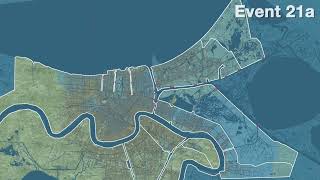
When Hurricane Katrina made landfall in August 2005, it pushed a massive storm surge into the Gulf Coast. For many coastal cities, the primary threat is wind; however, for New Orleans, the primary threat was the water. The city is uniquely vulnerable due to its geography, with much of the land sitting below sea level and surrounded by the Mississippi River and Lake Pontchartrain.
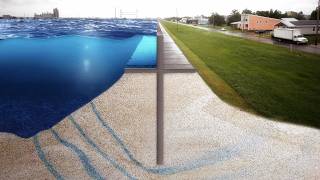
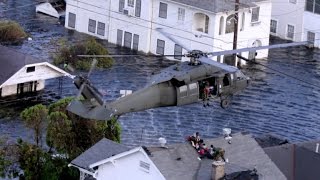
To protect the city, a system of levees, floodwalls, and pumps was constructed. However, the storm surge exerted pressure that the infrastructure could not withstand. Rather than the city being overtopped by water, many of the floodwalls suffered structural failures. These breaches allowed millions of gallons of water to pour into residential neighborhoods, turning streets into canals and trapping thousands of residents.
Engineering Failures and Human Design
Analysis of the disaster reveals that the flooding was largely a result of disasters by design. For years, man-made changes to the landscape of the region contributed to the city's vulnerability. The drainage of surrounding wetlands—which naturally act as a sponge to absorb storm surges—left the urban center exposed to the full force of the Gulf.
Furthermore, the engineering of the levee system was flawed. Investigations following the storm indicated that the floodwalls were not anchored deep enough into the soil to resist the lateral pressure of the surging water. This led to a catastrophic chain reaction where one failure weakened adjacent sections, leading to widespread breaches across the city.
The Human and Environmental Toll
The aftermath of the flooding highlighted deep socioeconomic disparities. The lowest-lying areas of the city, often home to marginalized communities, experienced the deepest flooding and the slowest recovery times. The displacement of hundreds of thousands of residents created a diaspora that permanently altered the demographics of the region.
Beyond the human cost, the environment suffered immensely. The flooding introduced saltwater and urban pollutants into freshwater ecosystems, damaging local flora and fauna. This event served as a wake-up call regarding the fragility of coastal ecosystems and the necessity of restoring natural barriers to protect human settlements.
Lessons Learned and Future Mitigation
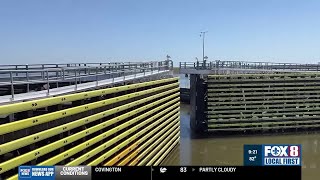
In the years following Hurricane Katrina, New Orleans has invested billions of dollars into the Hurricane & Storm Damage Risk Reduction System (HSDRRS). This upgraded network includes massive surge barriers and reinforced levees designed to prevent a repeat of the 2005 catastrophe.
Modern urban planning now emphasizes several key strategies to mitigate future flooding:
- Wetland Restoration: Rebuilding coastal marshes to reduce the energy of incoming storm surges.
- Living with Water: Implementing "green infrastructure," such as rain gardens and permeable pavements, to manage stormwater.
- Improved Early Warning Systems: Enhancing evacuation protocols to ensure that vulnerable populations can leave the city before a storm hits.
Preserving the History of the Disaster
To ensure the lessons of Hurricane Katrina are not forgotten, institutions like the Louisiana State Museum have curated exhibits to educate the public. These installations often use immersive design to show the exact mechanics of the flooding, illustrating how the water entered the city and the specific points where the infrastructure failed.
By studying the intersection of engineering, geography, and climate, New Orleans continues to evolve. The city stands as a case study in the importance of sustainable design and the ongoing battle to protect urban centers from the increasing intensity of global weather patterns.