Understanding the Narrative Elements Chart
A narrative elements chart is a structural tool used by students, writers, and literary analysts to break down the components of a story. By organizing the fundamental building blocks of a plot, readers can better understand the author's intent and the thematic progression of a literary work. Whether analyzing a short story or a complex novel, these charts provide a visual framework for comprehension.
What are the Core Story Elements?
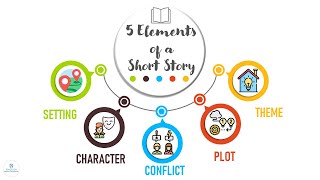
Before populating a narrative elements chart, it is essential to define the primary components that make up a story. Most charts are divided into the following categories:
- Setting: The time and place where the action occurs. This includes the geographical location, historical period, and social environment.
- Characters: The individuals who drive the plot. This includes the protagonist (main character) and the antagonist (the force or person opposing them).
- Conflict: The central struggle that creates tension. This can be internal (character vs. self) or external (character vs. character, nature, or society).
- Plot: The sequence of events that make up the story.
- Theme: The underlying message or universal truth the author explores, such as love, betrayal, or perseverance.
Mapping the Plot Mountain
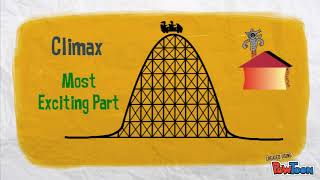
A significant portion of any narrative elements chart focuses on the plot. A "plot mountain" diagram is often used when learning how to track the emotional and structural arc of a story. This visualization helps learners identify five key stages of narrative development:
- Exposition: The introduction where the setting is established and characters are introduced.
- Rising Action: A series of events that build tension and develop the central conflict.
- Climax: The turning point of the story and the moment of highest tension.
- Falling Action: The events that follow the climax, leading toward a resolution.
- Resolution: The final outcome where the conflict is resolved, and loose ends are tied up.
How to Use a Chart for Literary Analysis
Using a narrative elements chart is not just about summarizing a plot; it is a powerful method for critical thinking. Educators often encourage students to compare and contrast two literary texts using a side-by-side chart. By aligning the elements of two different stories, readers can identify patterns in genre, tone, and thematic delivery.
For example, comparing two short stories about survival might reveal that while both share the same theme, their settings (e.g., a frozen tundra versus a deserted island) drastically change how the conflict is resolved. This analytical approach transforms a passive reading experience into an active academic exercise.
Benefits of Using Narrative Charts in the Classroom
Integrating these charts into a curriculum provides several cognitive benefits for students:
- Improved Retention: Visualizing the story structure helps students remember key plot points.
- Enhanced Writing Skills: Aspiring writers can use these charts to outline their own stories, ensuring they have a balanced pace and a satisfying resolution.
- Critical Thinking: Forcing a narrative into a chart requires the reader to synthesize information and distinguish between primary and secondary plot points.
Tips for Creating an Effective Chart
To get the most out of a narrative elements chart, keep the following tips in mind:
Be Concise: Use bullet points rather than long paragraphs. The goal is to provide a snapshot of the story, not a rewrite of the text.
Use Evidence: When filling out the chart, reference specific page numbers or quotes from the text to support your claims about the theme or character motivation.
Iterate: Your understanding of a story often evolves. Do not be afraid to go back and update your chart after a second reading of the text.