Understanding Model Sentences for Effective Communication
Language learning is often built upon the foundation of imitation. When students ask, "Would you like to have a few examples?" they are essentially seeking model sentences. These are structured templates that demonstrate correct grammar, vocabulary usage, and natural phrasing. By studying these patterns, learners can internalize the mechanics of English, allowing them to construct their own thoughts with greater confidence and accuracy.
Why Model Sentences Matter
Model sentences serve as a bridge between theoretical grammar rules and practical application. Instead of memorizing abstract definitions of parts of speech, learners can observe how words interact within a complete, meaningful context. This approach is particularly helpful for mastering complex structures, such as modal verbs, which often change the tone or intent of a conversation.
Using model sentences helps in several ways:
- Internalizing Grammar: Repetitive exposure to correct patterns helps the brain recognize grammatical structures automatically.
- Building Fluency: Having a "mental bank" of ready-to-use phrases reduces the time spent translating or searching for the right words.
- Improving Pronunciation: Reading model sentences aloud allows learners to practice intonation, rhythm, and stress patterns typical of native speakers.
- Confidence Boosting: Knowing that a specific sentence structure is correct provides a safe starting point for beginners to join conversations.
Mastering Modal Verbs Through Models
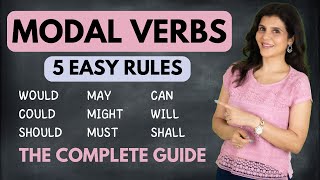
Modal verbs—such as can, could, should, would, and must—are essential for English conversation. Because these verbs express necessity, possibility, or ability, they are best learned through specific model sentences rather than isolated word lists. For example, contrasting "I can go" with "I could go" shows how a simple change in the modal verb alters the degree of certainty or politeness.
Consider these common models used in daily interaction:
- Requests: "Would you like to have a few more details?"
- Advice: "You should practice your speaking skills every day."
- Possibility: "It might rain later, so take an umbrella."
- Permission: "Can I ask a quick question?"
By focusing on these specific patterns, learners can practice how to be polite, how to give advice, and how to discuss future plans without needing to analyze complex syntax every time they speak.
Creative Ways to Practice Sentence Structures
Beyond traditional writing exercises, there are creative ways to engage with model sentences. Many students find success by creating a types of sentences model, which involves organizing different sentence structures—such as simple, compound, and complex—into a visual chart or a physical project. This hands-on approach helps learners visualize how clauses fit together.
To maximize the effectiveness of your practice, try the following techniques:
- The Substitution Method: Take a model sentence like, "I would like to have a cup of coffee," and substitute the nouns and verbs to create new meanings: "I would like to have a short break," or "I would like to have a quick chat."
- The Expansion Method: Start with a simple model sentence and slowly add descriptive elements. For example, turn "He speaks English" into "He speaks English fluently because he practices every day."
- Audio Shadowing: Use resources like SunshineEnglish or other language learning platforms to listen to native speakers. Repeat the model sentences immediately after they speak, focusing on matching their speed and pitch.
Consistency is Key
The goal of using model sentences is not to memorize them word-for-word for the sake of repetition, but to understand the logic behind the construction. When you encounter a sentence that sounds natural and professional, take note of it. Analyze why it works, identify the core components, and try to replicate that structure in your own writing or speech.
Remember that even