The Maradona Hand of God Comment: Analyzing Football's Most Controversial Goal
In the long history of international football, few moments have sparked as much debate, passion, and enduring controversy as Diego Maradona's "Hand of God" goal. Occurring during the 1986 FIFA World Cup quarter-final between Argentina and England, this single act of deception redefined the legacy of one of the game's greatest players and remains a focal point for discussions regarding sportsmanship and officiating.
The Events of the Infamous Goal
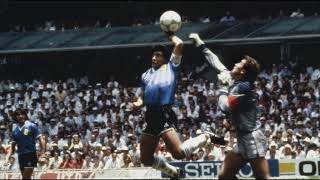
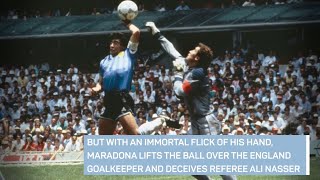
The match, held in Mexico City, was charged with political and sporting tension. In the 51st minute, Diego Maradona embarked on a challenge for the ball with England's goalkeeper, Peter Shilton. As the ball looped upward, Maradona leaped, but instead of using his head, he used his left hand to punch the ball over the goalkeeper and into the net.
The Tunisian referee, Ali Bin Nasser, did not see the handball and allowed the goal to stand. While the English players protested vehemently, the decision remained. This moment became etched in history not only for the illegality of the goal but for the audacity of the act. Shortly after, Maradona scored the "Goal of the Century," dribbling past half the English team, creating a paradox where the same player produced both the most dishonest and the most brilliant moments of the tournament.
The "Hand of God" Comment and Legacy
The phrase "Hand of God" did not emerge during the match itself but in the post-game aftermath. When asked about the goal, Diego famously remarked that the goal was scored "a little with the head of Maradona and a little with the hand of God."
This comment transformed a simple officiating error into a piece of sporting mythology. For Argentina, it was seen as a cunning victory; for England, it was a blatant cheat. Decades later, the comment continues to surface in retrospectives of unforgettable England moments, often ranking as one of the most painful defeats in the nation's sporting history.
Modern Perspectives: VAR and Expert Analysis
For decades, the "Hand of God" existed in a grey area of archival footage and conflicting testimonies. However, the introduction of the Video Assistant Referee (VAR) in modern football has changed how we view such incidents. If the 1986 quarter-final were played today, the goal would have been overturned within seconds.
- The VAR Review: 40 years later, digital analysis confirms that the handball was clear and intentional.
- Official Consensus: Modern officiating standards would categorize this as a red-card offense for denying an obvious goal-scoring opportunity or, at the very least, a disallowed goal and a yellow card.
- Expert Takes: Former England striker Gary Lineker has frequently shared his take on the incident, noting the psychological toll it took on the English squad during the match.
The Lasting Impact on Football Culture
The "Hand of God" is more than just a footnote in a match report; it is a case study in the complexity of sporting heroes. Diego Maradona is remembered as a flawed genius, and this goal encapsulates that duality. It highlights the era of football before the digital eye, where the referee's word was absolute, and a player's wit could override the rules of the game.
Whether viewed as a moment of brilliance or a breach of ethics, the incident ensures that the rivalry between Argentina and England remains one of the most intense in the world. Thirty years on from the event, and now approaching four decades, the "Hand of God" comment remains a symbol of the unpredictability and drama that makes football the world's most popular sport.
Summary of the Incident
- The Act: Diego Maradona used his hand to score against England in 1986.
- The Decision: The referee allowed the goal, unaware of the handball.
- The Quote: Maradona attributed the goal to the "Hand of God."