Mac Allister Lawn Mower Belt Replacement: A Step-by-Step Guide
If your Mac Allister petrol lawn mower is struggling to cut grass properly or the blades refuse to engage, a worn or damaged drive belt is often the culprit. Replacing the belt yourself is a straightforward task that can save you time and money compared to taking the machine to a repair shop. In this guide, we walk through everything you need to know about getting the job done correctly.
Why Your Mac Allister Mower Belt May Need Replacing
Lawn mower belts are made from durable rubber composites, but they still degrade over time. Exposure to sunlight, grass debris, moisture, and regular vibration all contribute to wear. Common signs that your belt needs replacement include:
- The blade fails to engage when you pull the starter cord
- Visible cracks, fraying, or glazing on the belt surface
- A burning smell coming from the mower deck during operation
- Excessive vibrating or unusual noise while mowing
- Grass clippings piling up instead of being discharged evenly
Ignoring these symptoms can lead to further damage around the pulleys, spindle assemblies, and engine mounts. Catching the issue early with a simple belt swap is always the most cost-effective approach.
Tools and Parts You Will Need
Before you begin, gather the following items to ensure the process goes smoothly:
- A replacement belt compatible with your specific Mac Allister petrol mower model
- Basic socket and spanner set
- A flathead screwdriver or trim tool for cable clips
- A flashlight for inspecting underneath the deck
- Work gloves to protect your hands from sharp edges
Identify your exact mower model number before ordering a belt. The model designation is typically located on a plate attached to the chassis or near the engine. Using an incorrect belt size will result in poor tension, slipping, or premature failure.
How to Replace the Belt on Your Mac Allister Petrol Lawn Mower
Here is a step by step easy guide to help you complete the replacement safely and efficiently.
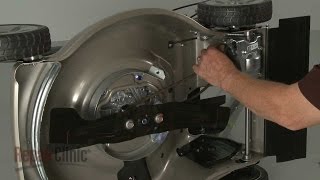
Step One: Prepare the MowerStart by ensuring the engine is completely cool. Disconnect the spark plug wire to prevent any accidental starts while you work. Tip the mower onto its side with the air filter and carburettor facing upward so oil does not leak into those components. Remove any grass buildup from the underside of the deck using a brush or scraper.
Step Two: Remove the Old BeltLocate the belt routing path, which typically loops around the engine pulley, idler pulleys, and the blade spindle. You may need to remove protective guards or deck covers first. Release tension on the idler pulley spring using a spanner or by carefully prying the tensioner arm away. Once tension is relieved, slip the old belt off the pulleys. Take a photograph of the belt path before removing it entirely, as this will serve as a reference when fitting the new belt.
Step Three: Fit the New BeltThread the new belt around each pulley according to your reference photograph. Ensure the belt sits fully within the grooves of every pulley and is not twisted. Reapply tension to the idler spring and confirm that the belt has the correct amount of give when pressed midway between two pulleys. A properly tensioned belt should deflect only slightly under firm finger pressure.
Step Four: Reassemble and TestReattach any guards or covers you removed. Return the mower to its upright position and reconnect the spark plug wire. Start the engine and allow it to idle briefly. Engage the blade mechanism and listen for smooth operation. Check that the belt tracks correctly and does not rub against surrounding components. If everything runs quietly and the blades spin evenly, your replacement is complete.
Tips for Extending Belt Life
While no belt lasts forever, you can extend its service life with regular maintenance. Clear debris from the mower deck after each use to prevent material from wrapping around the spindles and putting unnecessary strain on the belt. Inspect the belt periodically for signs of wear, especially during the busiest parts of the mowing season. Keep the pulleys clean and free from corrosion, and lubricate moving pivot points as recommended by the manufacturer.
Replacing the belt on a Mac Allister petrol lawn mower is a practical DIY job that keeps your equipment running at its best. With the right replacement part and a careful approach, you can restore your mower to full performance without calling in a professional. If you would like to support further content of this nature, creators often share useful tools and accessories through platforms such as an Amazon wish list, where you can find items relevant to maintaining your machinery.
```