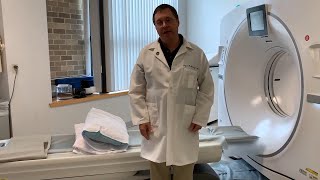
Understanding Low Dose CT Lung Cancer Screening in BC
Lung cancer is one of the most challenging diagnoses to treat when discovered in late stages. However, early detection significantly improves survival rates and treatment outcomes. In British Columbia (BC), Low Dose CT (LDCT) lung cancer screening has become a vital tool for high-risk individuals to detect abnormalities before symptoms appear.
This article provides an overview of how LDCT screening works, who qualifies for the program in BC, and why early detection is critical for long-term health.
What is a Low Dose CT Scan?
A Low Dose Computed Tomography (LDCT) scan is a specialized imaging test that takes a series of X-ray images of the lungs. Unlike a standard chest X-ray, which provides a flat 2D image, a CT scan creates detailed 3D cross-sections of the lung tissue.
The "low dose" aspect is critical. These scans use significantly less radiation than a conventional CT scan, making them safer for repeated annual screening. The goal is to identify pulmonary nodules—small growths or spots on the lungs—that may be cancerous or precancerous. When these nodules are found early, they are often smaller and easier to treat surgically.
Who Should Get Screened in BC?
Lung cancer screening is not recommended for the general population because the risks of over-diagnosis and unnecessary procedures can outweigh the benefits. Instead, BC health guidelines focus on high-risk populations.
Generally, individuals may be eligible for LDCT screening if they meet specific criteria, which typically include:
- Age: Usually adults between the ages of 50 and 80.
- Smoking History: A significant history of cigarette smoking (often measured in "pack-years").
- Current Status: People who currently smoke or those who have quit within the last 15 years.
Because eligibility depends on individual medical history and specific provincial health authority guidelines, it is essential to consult a primary care provider to determine if you qualify for the screening program.
The Benefits of Early Detection
The primary objective of LDCT screening is to shift the diagnosis of lung cancer from Stage III or IV to Stage I or II. The advantages of this shift include:
- Higher Cure Rates: Early-stage tumors are more likely to be completely removable via surgery.
- Less Invasive Treatment: Patients diagnosed early may avoid aggressive chemotherapy or extensive radiation.
- Improved Quality of Life: Early intervention often leads to a faster recovery and a better overall prognosis.
What to Expect During the Process
If you are referred for a low dose CT lung cancer screening in BC, the process is typically quick and non-invasive. Here is what the experience usually entails:
- Referral: Your family doctor assesses your risk factors and provides a referral to a radiology department.
- The Scan: You lie on a table that slides through a doughnut-shaped scanner. You will be asked to hold your breath for a few seconds to ensure the images are clear. The entire process usually takes less than 10 minutes.
- Results: A radiologist reviews the images. If the lungs are clear, you may be asked to return in one year.
- Follow-up: If a nodule is found, the medical team will determine if it is benign (non-cancerous) or requires further testing, such as a biopsy or a follow-up scan in a shorter timeframe.
Addressing Common Concerns
Many patients feel anxious about the possibility of a positive result. However, health professionals emphasize that knowledge is power. Finding a nodule does not always mean you have cancer; many nodules are caused by old infections or scarring. The screening process is designed to monitor these changes over time.
Additionally, for those who may face language