Living In Uruguay Vs Argentina: Which South American Hub is Right for You?
Choosing between Uruguay and Argentina for relocation or retirement often comes down to a trade-off between stability and vibrancy. While these neighboring countries share a border and a common linguistic heritage, the daily experience of living in each is remarkably different. Whether you are seeking a low-stress retirement or a culturally rich metropolitan life, understanding the nuances of these two nations is essential.
Economic Stability and Cost of Living
The most striking difference between living in Uruguay and Argentina is the economic climate. Uruguay is widely regarded as one of the most stable economies in Latin America. It offers a predictable environment with a strong rule of law and consistent fiscal policies, making it an attractive destination for those who prioritize financial security.
Argentina, by contrast, is known for its economic volatility. High inflation rates and fluctuating currency values can make long-term financial planning challenging for locals. However, for expats earning in strong foreign currencies like the US Dollar or Euro, Argentina can be incredibly affordable. The cost of dining out, entertainment, and luxury services in cities like Buenos Aires is often significantly lower than in Montevideo.
Lifestyle and Cultural Atmosphere
When comparing the lifestyle, it is a choice between the "big city" energy of Argentina and the "relaxed pace" of Uruguay.
The Argentine Experience
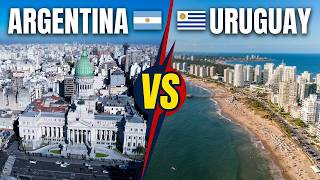
Argentina, particularly Buenos Aires, is often described as the "Paris of the South." It is a global hub for art, theater, and gastronomy. Living here means having access to:
- World-class Culture: An endless array of museums, bookstores, and opera houses.
- Vibrant Nightlife: A social culture that thrives late into the night.
- Diverse Landscapes: From the glaciers of Patagonia to the vineyards of Mendoza.
The Uruguayan Experience
Uruguay offers a more subdued, tranquil way of life. Montevideo provides a coastal city experience that is manageable and calm, while the interior of the country is characterized by rolling hills and quiet ranching communities. Key highlights include:
- Beach Living: The popularity of Punta del Este for luxury coastal living.
- Social Progressivism: Uruguay is known for having some of the most liberal social laws in the region.
- Safety: Generally perceived as a quieter, more stable environment for families and retirees.
Healthcare and Infrastructure
Both countries offer high-quality healthcare, particularly in their capital cities. Argentina has a long history of producing world-renowned medical professionals, and private healthcare in Buenos Aires is top-tier and affordable for those with international insurance.
Uruguay also provides excellent medical facilities, though the scale is smaller. The healthcare system is well-organized, and the quality of care in Montevideo is high, making it a viable option for retirees who require consistent medical monitoring.
Residency and Legal Considerations
For those weighing the pros and cons, the process of obtaining residency is a critical factor. Uruguay is often praised for its welcoming stance toward foreign investors and retirees, offering a straightforward path to residency for those who can prove a steady income or invest in local real estate.
Argentina also offers residency pathways, but the bureaucratic process can be more complex and time-consuming. However, once established, the social integration in Argentina is often rapid due to the outgoing nature of the local population.
Summary Comparison Table
To help you decide which country fits your goals, consider these primary distinctions:
- Stability: Uruguay is the clear winner for those seeking economic predictability.
- Affordability: Argentina is generally more affordable for those with foreign income.
- Pace of Life: Uruguay is slow and peaceful; Argentina is fast-paced and energetic.
- Culture: Argentina offers a more expansive and diverse cultural scene.
Final Thoughts
Ultimately, the decision of living in Uruguay