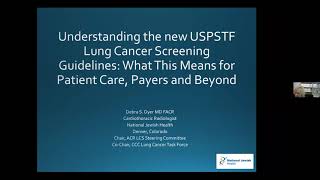
Understanding LDCT Lung Cancer Screening and the USPSTF Guidelines
Low‑dose computed tomography (LDCT) has become the cornerstone of early‑stage lung cancer detection in high‑risk adults. The United States Preventive Services Task Force (USPSTF) issues evidence‑based recommendations that shape screening practices across the nation. This article explains the latest USPSTF guidance, who should be screened, and how clinicians can implement LDCT programs effectively.
Why LDCT Is Preferred Over Traditional Chest X‑Ray
LDCT delivers detailed images of lung tissue while exposing patients to significantly less radiation than a standard diagnostic CT scan. Studies show that LDCT can detect small, asymptomatic tumors that are curable when treated early, reducing lung‑cancer mortality by up to 20 % in eligible populations.
Key USPSTF Recommendations (2021 Update)
In March 2021, the USPSTF expanded its lung‑cancer screening criteria. The updated recommendation states:
- Screen adults aged 50 to 80 years who have a 20 pack‑year smoking history and currently smoke or have quit within the past 15 years.
- Use annual LDCT as the screening modality.
- Discontinue screening after 15 years of abstinence from smoking or after age 80, whichever comes first.
This change reflects new evidence that younger adults and those with a slightly lower smoking exposure still benefit from early detection.
Who Is Considered High‑Risk?
The USPSTF defines “high‑risk” based on age, smoking intensity, and smoking cessation timing. Clinicians should assess each patient’s:
- Age (50‑80 years).
- Total pack‑years (≥ 20 pack‑years).
- Current smoking status or quit date (within 15 years).
Patients meeting all three criteria are eligible for annual LDCT screening.
Implementing an LDCT Screening Program
Successful programs combine clear eligibility criteria, patient education, and coordinated follow‑up. Below are practical steps for health systems:
- Identify eligible patients through electronic health record (EHR) alerts that flag age and smoking history.
- Educate patients about the benefits and potential harms of LDCT, including false‑positive findings.
- Schedule annual scans at accredited imaging centers that follow low‑dose protocols.
- Establish a multidisciplinary review board (radiology, pulmonology, oncology) to interpret results and determine next steps.
- Document outcomes to track screening adherence and cancer detection rates.
Case Example: VCU Health Department of Internal Medicine
During the Medical Grand Rounds on June 10, 2021, the VCU Health Department of Internal Medicine presented an update on the