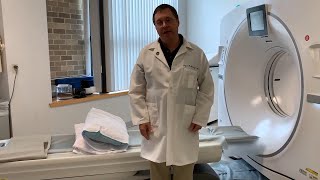
What Is LDCT Lung Cancer Screening?
LDCT (low‑dose computed tomography) lung cancer screening is a non‑invasive imaging test that uses a smaller amount of radiation than a standard CT scan to create detailed pictures of the lungs. The goal is to detect early‑stage lung cancer when it is most treatable, often before any symptoms appear.
Why Early Detection Matters
When lung cancer is found at an early stage, the chances of successful treatment increase dramatically. Studies have shown that screening high‑risk individuals with LDCT can reduce lung‑cancer‑specific mortality by up to 20 % compared with no screening. Early detection also allows for less aggressive surgery and a better quality of life after treatment.
Who Should Consider LDCT Lung Cancer Screening?
Guidelines from major health organizations recommend LDCT for people who meet the following criteria:
- Age 50 to 80 years
- Current smokers or former smokers who have quit within the past 15 years
- A smoking history of at least 20 pack‑years (one pack per day for 20 years)
Individuals with a strong family history of lung cancer or exposure to occupational hazards such as asbestos may also benefit, but they should discuss their personal risk with a health professional.
How the LDCT Procedure Works
The screening takes only a few minutes. You will lie on a table that slides into the scanner. The machine rotates around you, taking multiple thin‑slice images of the lungs. Because the radiation dose is low—about one‑tenth of a standard CT—the test can be safely repeated each year.
Preparing for Your Scan
- Schedule the appointment at a center that offers LDCT screening.
- Wear comfortable, loose‑fitting clothing without metal zippers or buttons.
- Inform the technologist of any recent chest X‑rays or CT scans.
- Follow any specific instructions about fasting or medication, although most centers do not require fasting.
Benefits of LDCT Lung Cancer Screening
When performed on the right population, LDCT offers several advantages:
- Early detection: Finds nodules as small as a few millimeters.
- Reduced mortality: Provides a measurable survival benefit for eligible smokers.
- Minimal radiation exposure: Safer for repeated annual use.
- Quick and painless: No contrast dye or anesthesia is needed.
Potential Risks and Limitations
Although LDCT is safe, it is not without drawbacks. Common concerns include:
- False‑positive results: Small nodules are often benign, leading to additional imaging or invasive procedures that may cause anxiety.
- Overdiagnosis: Detecting indolent cancers that might never cause symptoms can result in unnecessary treatment.
- Radiation exposure: