The Legacy of King Philip II of Spain
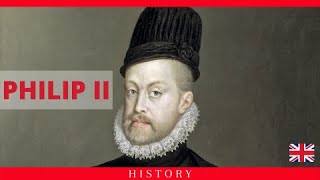
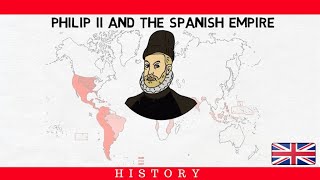
King Philip II (Felipe II de Habsburgo), who reigned from 1556 to 1598, stands as one of the most influential and controversial figures in European history. As a member of the House of Habsburg, Philip II presided over the Spanish Empire during its golden age, overseeing a vast global territory that stretched from the Americas to the Philippines and across large portions of Europe.
Early Life and Accession
Born on May 21, 1527, Philip was the son of Emperor Charles V and Isabella of Portugal. Unlike many of his predecessors, Philip spent a significant portion of his youth in Spain, which fostered a deep connection to the Spanish culture and identity. This contrast with his father—who ruled a fragmented, multi-ethnic empire—led Philip to centralize his administration and focus heavily on the stability of the Iberian Peninsula.
Upon ascending the throne in 1556, Philip inherited an empire of unprecedented scale. He inherited not only the Spanish kingdoms but also the Netherlands, Naples, Sicily, and the Spanish territories in the New World. His reign was characterized by an intense commitment to Catholicism and a belief that he was the primary defender of the faith against the rising tide of the Protestant Reformation.
The Administration of a Global Empire
Philip II is often remembered as the "Paper King" due to his meticulous nature and obsession with bureaucracy. He preferred to govern from his desk rather than from the saddle, spending countless hours reviewing reports and signing documents. To facilitate this, he established the Escorial, a massive palace-monastery-mausoleum that served as the administrative heart of his empire.
Under his rule, Spain experienced a period of immense wealth driven by the influx of silver and gold from mines in Mexico and Peru. However, this wealth proved to be a double-edged sword. The abundance of precious metals contributed to massive inflation (the Price Revolution) and led the crown into repeated bankruptcies as Philip funded endless religious and territorial wars.
Religious Conflict and the Spanish Armada
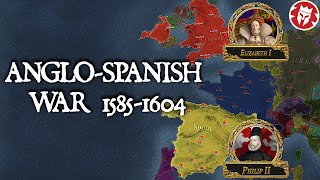
The defining struggle of Philip II's reign was his effort to maintain Catholic hegemony in Europe. This brought him into direct conflict with England, under Queen Elizabeth I. The tension escalated due to several factors:
- Religious Divergence: The Protestant shift in England threatened Catholic interests in Europe.
- Political Intrigue: The plots involving Mary, Queen of Scots, and the influence of the Jesuits created a climate of suspicion and high treason.
- Privateering: English "sea dogs" like Francis Drake frequently raided Spanish treasure fleets returning from the Americas.
These tensions culminated in 1588 with the launch of the Spanish Armada. Philip intended to invade England to restore Catholicism and depose Elizabeth I. However, a combination of English naval agility and devastating storms—often referred to as the "Protestant Wind"—led to a catastrophic defeat for the Spanish fleet. While not the end of the Spanish Empire, the failure of the Armada signaled a shift in naval dominance toward England and the Netherlands.
The Dutch Revolt and Internal Strife
While the conflict with England captured the world's attention, Philip faced a more persistent challenge in the Netherlands. The Dutch Revolt, fueled by both religious grievances (Calvinism) and a desire for political autonomy, drained Spanish coffers for decades. Despite the efforts of the Duke of Alba and the "Council of Blood," the northern provinces eventually secured their independence, marking a significant blow to Philip's vision of a unified Catholic empire.
The Final Days and Historical Assessment
The final years of Philip II's life were marked by illness and the psychological burden of managing a decaying empire. His rigid adherence to tradition and his refusal to compromise on religious grounds often left him isolated. He died on September 13, 1598, leaving behind a legacy of both architectural brilliance and economic instability.
Historians view Philip II as a complex figure: a disciplined administrator who managed the first truly global empire, but